
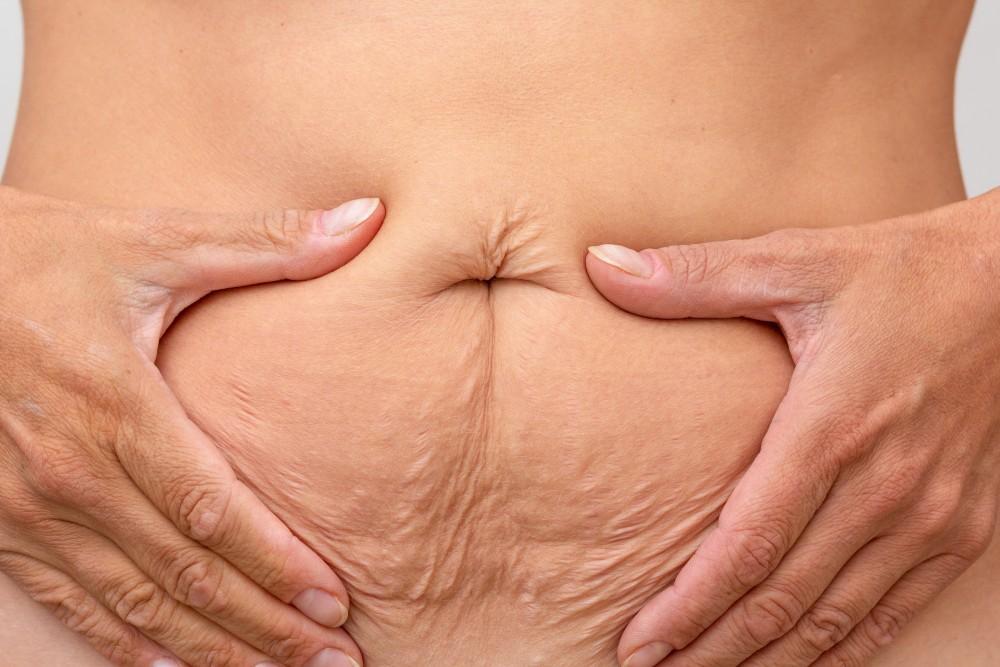
Medical weight loss, whether from significant lifestyle change, surgery, or newer medical weight loss, can bring genuine relief and improved health — but it often comes with an unexpected side effect.
Changes to skin laxity and texture that can happen faster than skin can adapt. Fast weight loss — including from newer medical weight loss — often brings skin changes nobody warned you about. Here’s what’s normal, and what helps.
At Body Sculpting Clinics, we work with many clients navigating this exact experience. Here’s what’s happening to your skin, and the treatments we recommend to help it catch up.
Why medical Weight Loss Affects Skin Differently
Skin elasticity depends on collagen and elastin fibres that allow it to stretch and contract. When weight loss happens gradually, skin generally has more time to adapt. When it happens rapidly — as is increasingly common with newer weight loss medications — the underlying fat volume can disappear faster than the skin’s structural fibres can respond, leaving visible looseness.
This is a normal physiological response to rapid change, not a flaw in how someone has lost weight. The areas most commonly affected include the abdomen, upper arms, inner thighs, and face.
Why Targeted Treatment Can Help Skin Catch Up
Non-surgical treatments for post-weight-loss skin can offer:
- Stimulation of collagen production to help firm loosened skin
- A non-surgical option to complement significant weight loss results
- Treatment for both body and facial skin changes
- No surgery, scarring or significant downtime
- Gradual, natural-looking improvement over several months
Best Treatments We Recommend
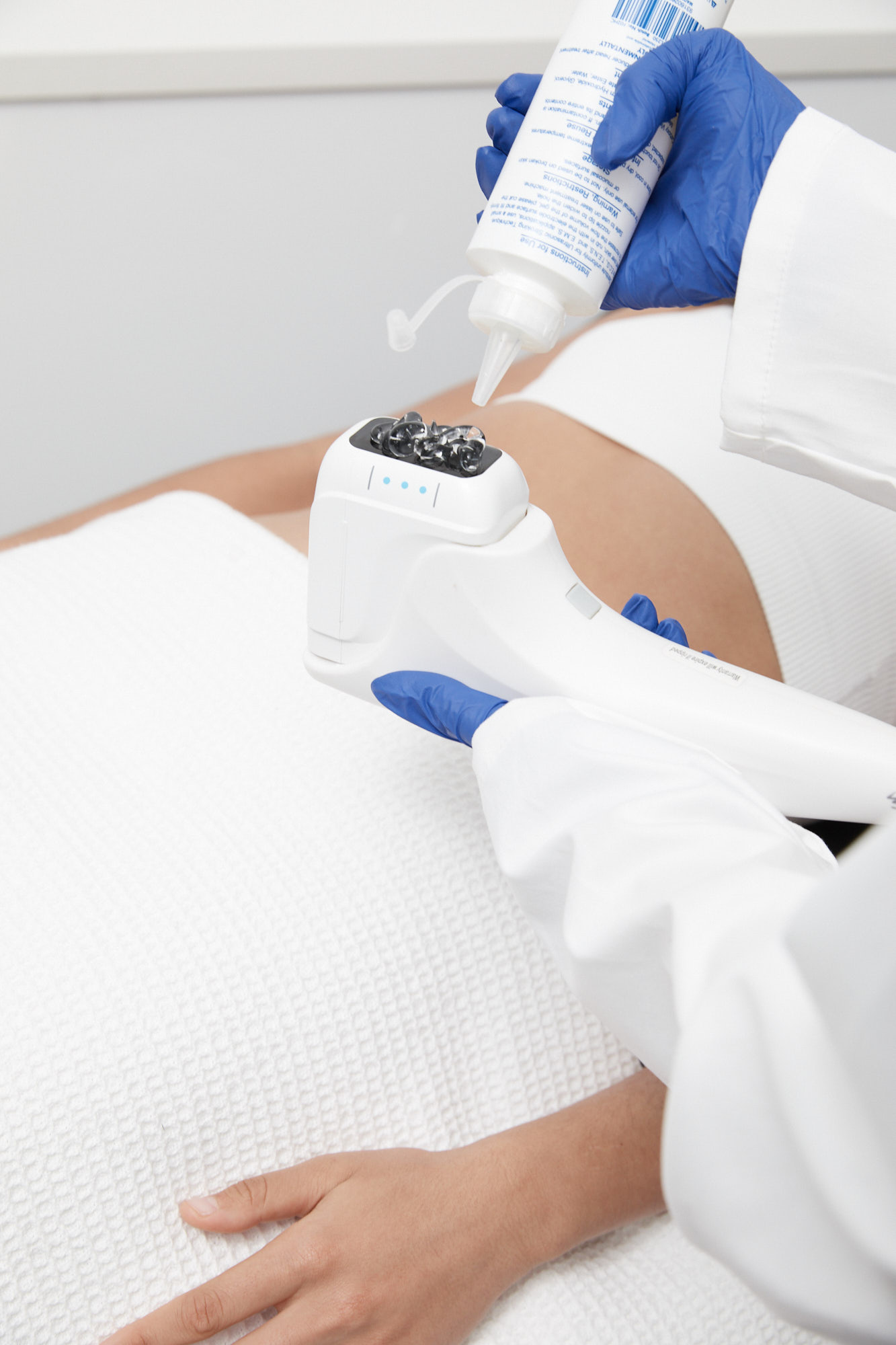
LIPOSculpt HIFU Body Sculpting
Our most comprehensive option for skin tightening treatment following medical weight loss, using focused ultrasound to stimulate a strong collagen response across larger areas like the abdomen and arms.
Key Benefits:
- Suitable for significant skin laxity
- Treats larger areas efficiently
- Stimulates lasting collagen production
RF Face Skin Tightening
RF Skin Tightening + Firming is a complementary treatment for milder facial laxity or as ongoing maintenance following more intensive HIFU sessions.
Key Benefits:
- Suitable for milder facial laxity
- Comfortable, no-downtime treatment
- Good for maintenance over time

HIFU Non-Surgical Facelift
For facial skin changes following medical weight loss — often one of the most noticeable areas — our non-surgical HIFU facelift targets the deeper facial structures for a firmer contour.
Key Benefits:
- Addresses facial laxity specifically
- Non-surgical alternative to a facelift
- Progressive, natural-looking results
Fat Freezing Cryolipolysis
For clients with some remaining stubborn fat pockets alongside skin laxity, fat freezing can be added to address fat volume directly.
Key Benefits:
- Targets any remaining fat pockets
- Pairs well with skin tightening treatments
- No downtime
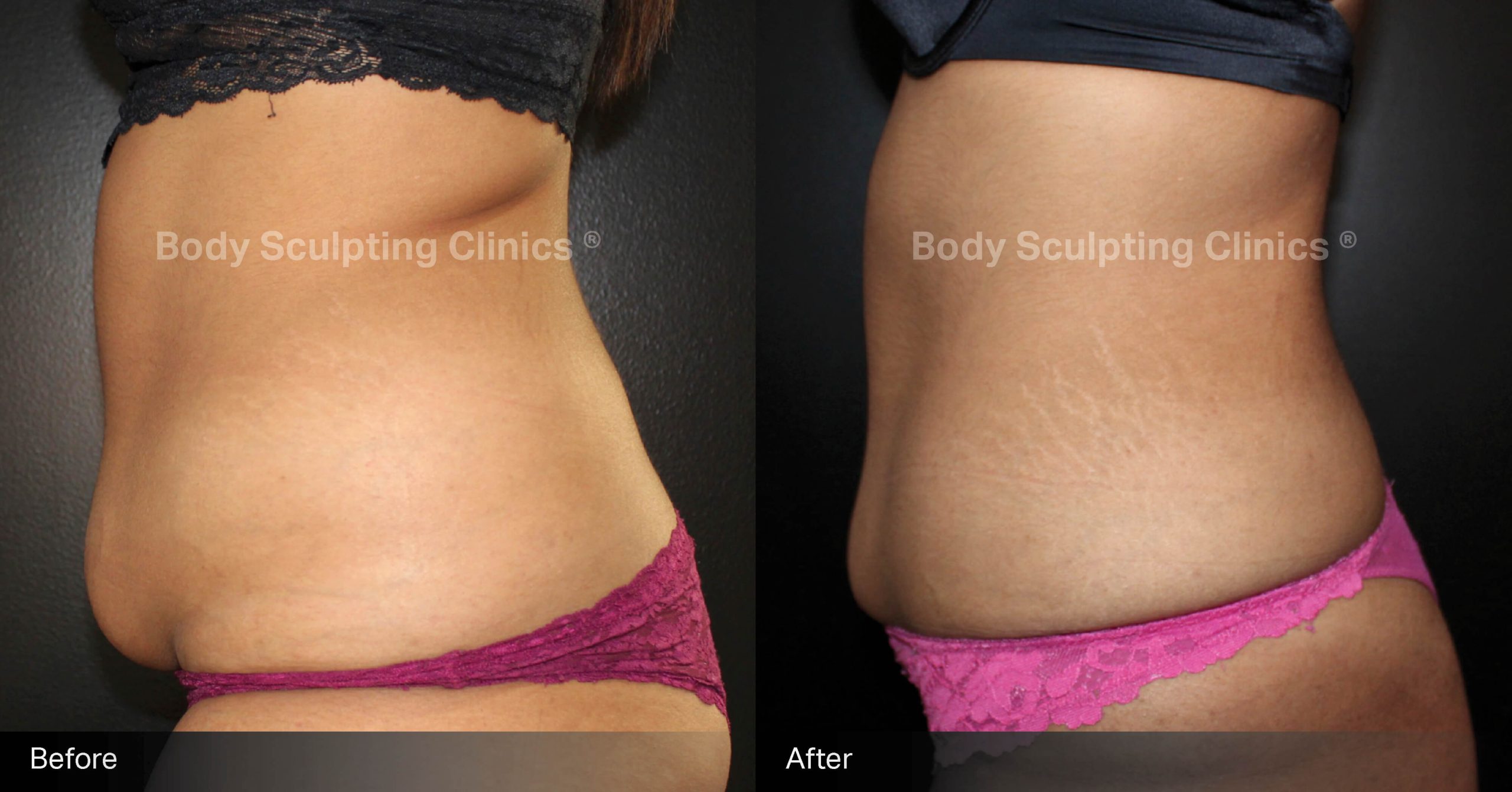

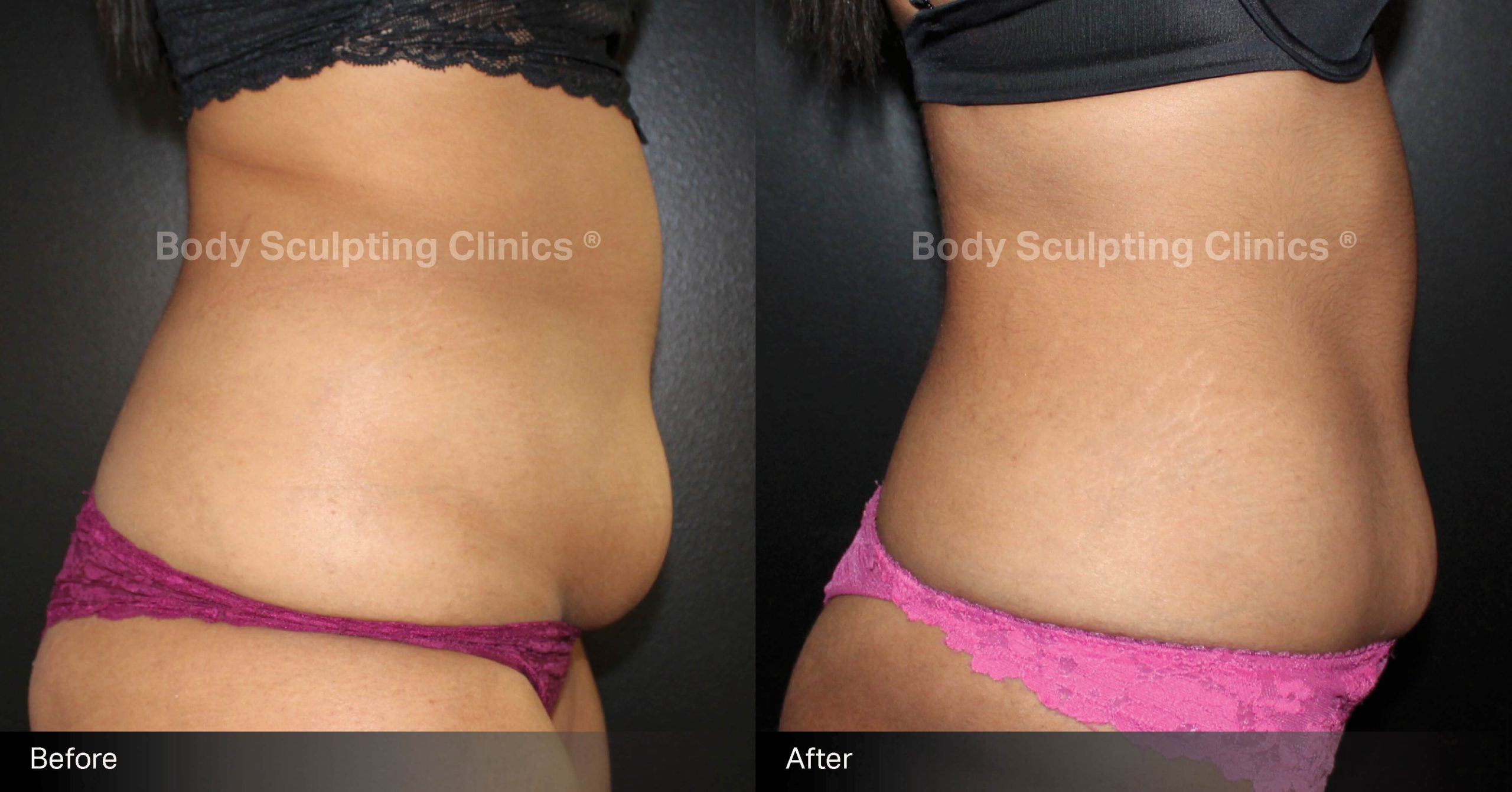
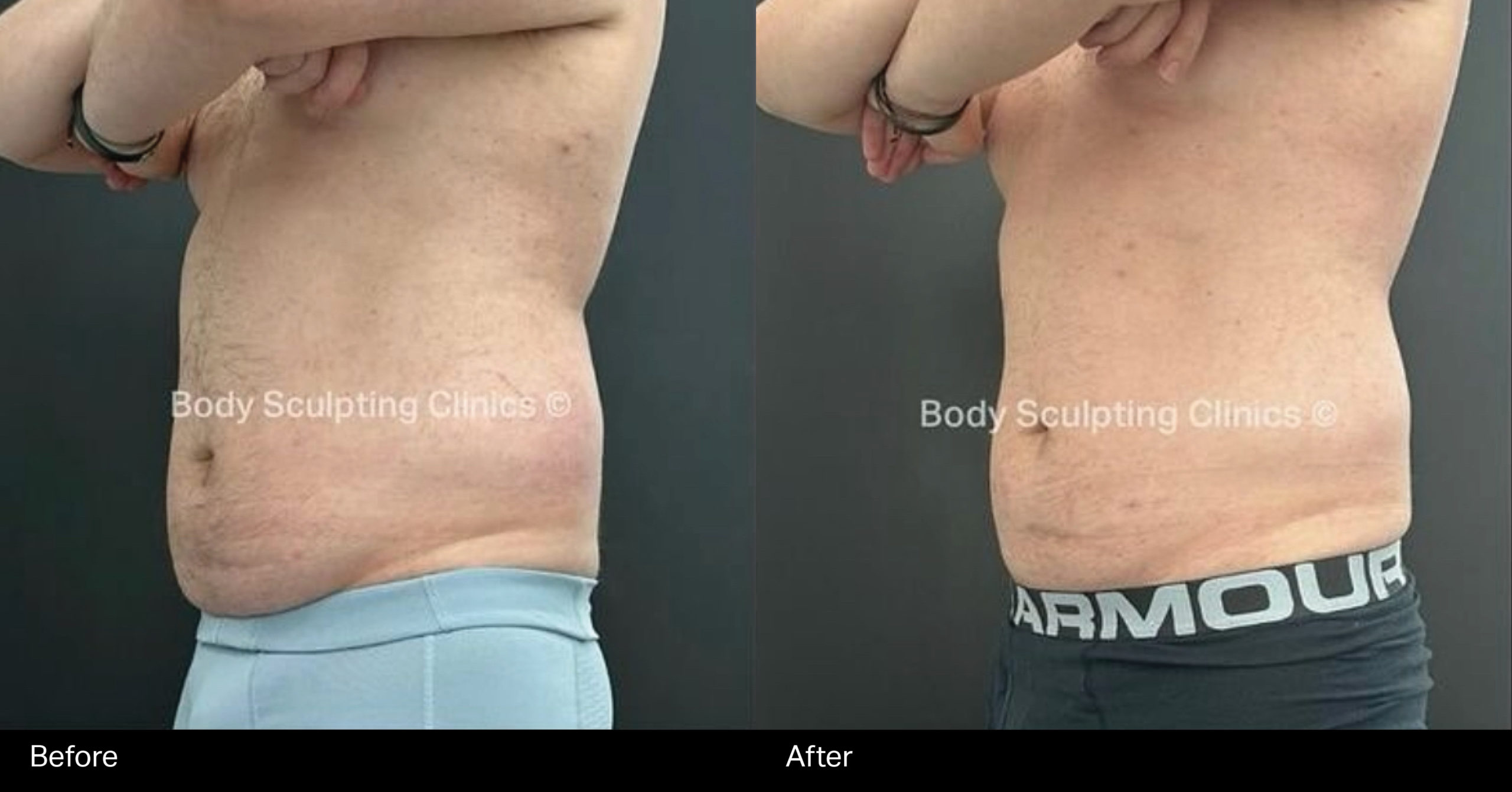
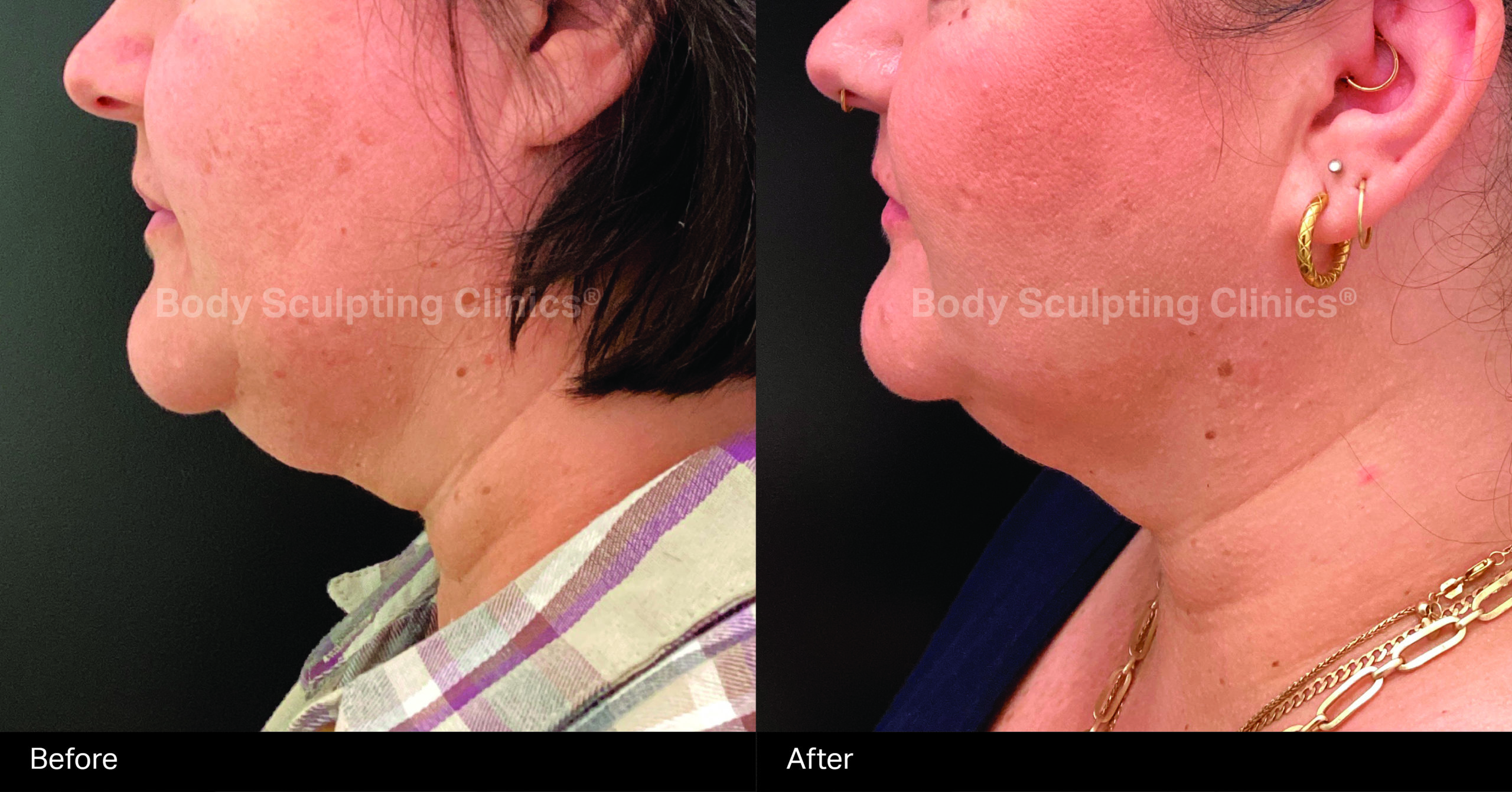
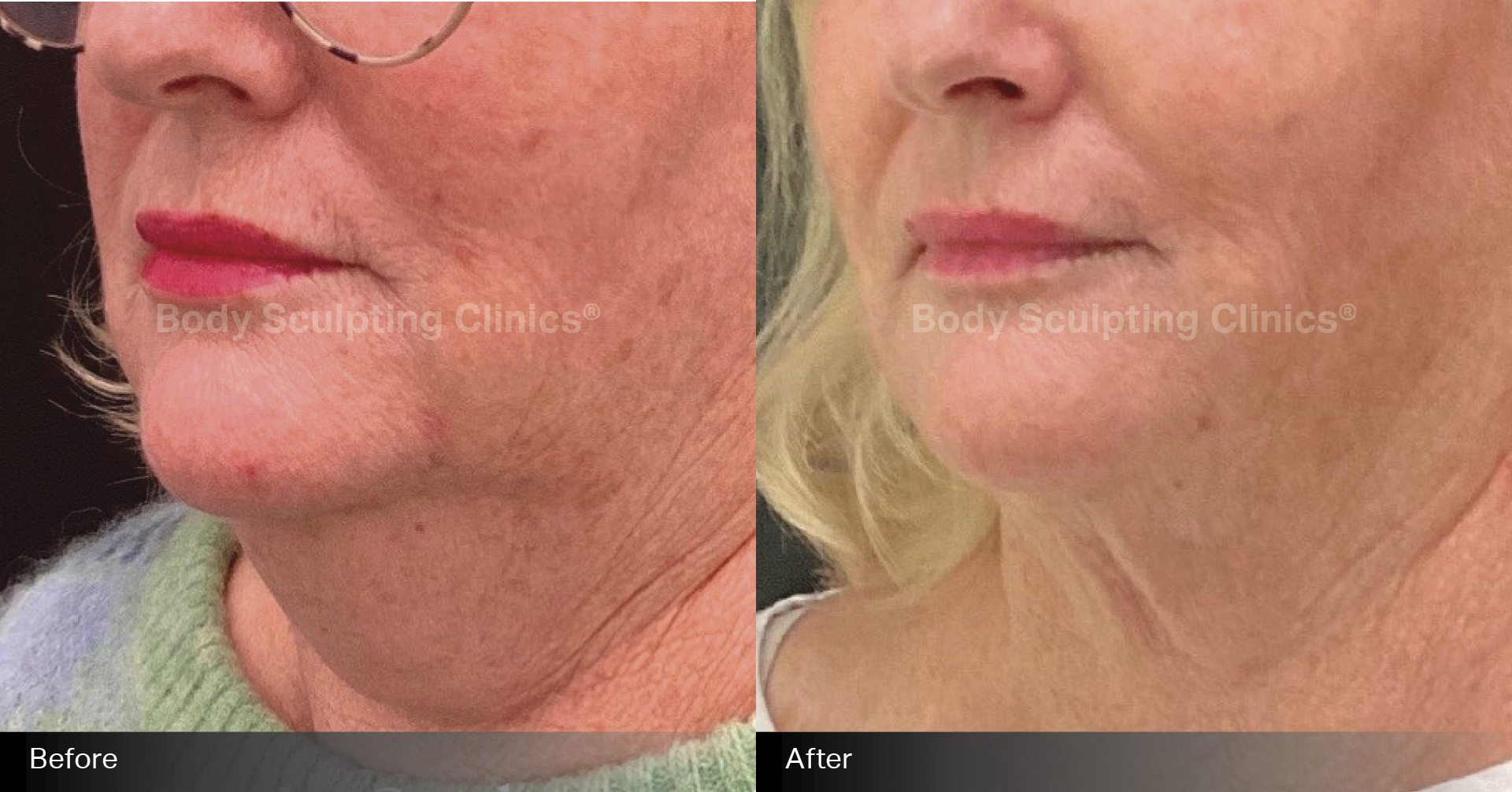
*Disclaimer: Results vary from patient to patient.
Shop The Treatment Edit
Why Choose Body Sculpting Clinics
At BSC, we have experience supporting clients through significant and medical weight loss journeys, including those using newer medical weight loss , with a compassionate and realistic approach to skin laxity.
We’ll assess your specific degree of laxity and recommend the treatment combination most likely to help your skin catch up to your new body composition.
Complimentary Consultation.
FAQs
Can non-surgical treatment help after Medical Weight Loss?
Yes. Many clients who’ve lost significant weight through medication see meaningful improvement from collagen-stimulating treatments like LIPOSculpt, particularly for mild-to-moderate skin laxity.
Will I need surgery for significant excess skin?
For substantial excess skin, surgical skin removal may achieve a more dramatic result. For mild-to-moderate laxity, non-surgical treatments can produce meaningful, lower-risk improvement.
Will results look natural?
Yes. HIFU and RF treatments work with your body’s own collagen production, producing a gradual, natural-looking firming effect rather than a sudden or artificial change.
When should I start treatment after medical Weight Loss?
It’s generally best to begin once your weight has stabilised, as ongoing weight loss can continue changing the treatment area. Your therapist can advise on the right timing during a consultation.