

Under the summer sun, our skin glows — but for some, it also holds onto the brown spots, patches and pigmentation history that comes with years of UV exposure.
Sun spots, also known as solar lentigines or “age spots,” can linger long after that sun-kissed glow fades. If you’re wondering how to get rid of sun spots, or tired of trying remedies that don’t seem to work, professional, non-surgical treatments offer a smarter, more effective way to restore clarity and evenness.
At Body Sculpting Clinics, we believe in science-driven skin care, not guesswork. Below, we explore four of the most powerful treatments — plus long-term habits — to help you remove sun spots safely, gently, and effectively.
Why Sun Spots Appear — and Why They Can Be Stubborn
Sun spots are caused by cumulative exposure to ultraviolet (UV) rays, which stimulate melanin production in patches of skin. Over time, these pigmented areas deepen and become more visible.
Because they’re often not just surface-level, some spots require more than topical serums to fade — they need targeted, clinical-grade treatment that reaches into the deeper skin layers.
4 Professional Treatments to Remove Sun Spots and Pigmentation
Here are four highly effective, non-invasive options from Body Sculpting Clinics for addressing sun spots and dark pigmentation.
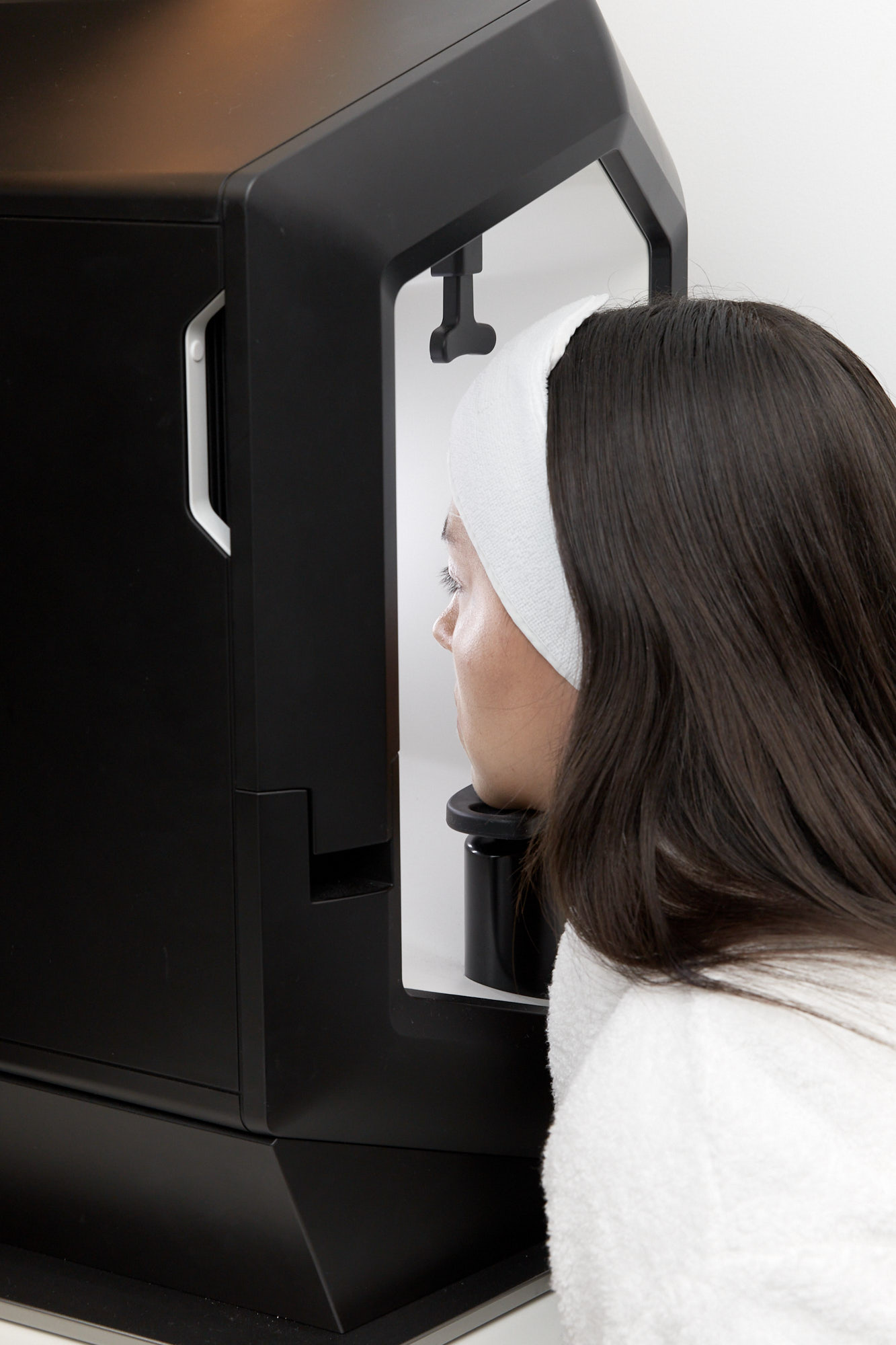
1. Skin Analysis
Get beneath the surface first — identify exactly what kind of pigmentation you’re dealing with.
- What it is: Our advanced Skin Analysis system uses specialised imaging to reveal both visible and sub‑surface pigmentation, including sun spots, UV damage, and uneven tone.
- Why it works for pigmentation: This in-depth analysis provides critical insight into the type and depth of your sun spots. Rather than guess, clinicians can tailor a treatment plan that targets exactly where the melanin lives — improving precision and effectiveness.
- Who it’s ideal for: Anyone concerned about dark spots, uneven skin tone, or sun damage — especially if over-the-counter treatments haven’t worked.
2. Microneedling
Stimulate your skin’s healing and renewal to fade pigmentation for good.
- What it is: Microneedling (also called skin needling) uses ultra-fine needles to create controlled micro-channels in the skin. This triggers your body’s natural healing response and boosts collagen and elastin production.
- Why it helps with sun spots: The micro-injuries encourage skin turnover and help fade pigmentation by dispersing melanin and promoting more even skin tone. It can also increase the absorption of brightening serums used during or after treatment.
- What to expect: Mild redness for 24–48 hours, with recommended treatment in a series (usually 3–6 sessions) for pigmentation results.
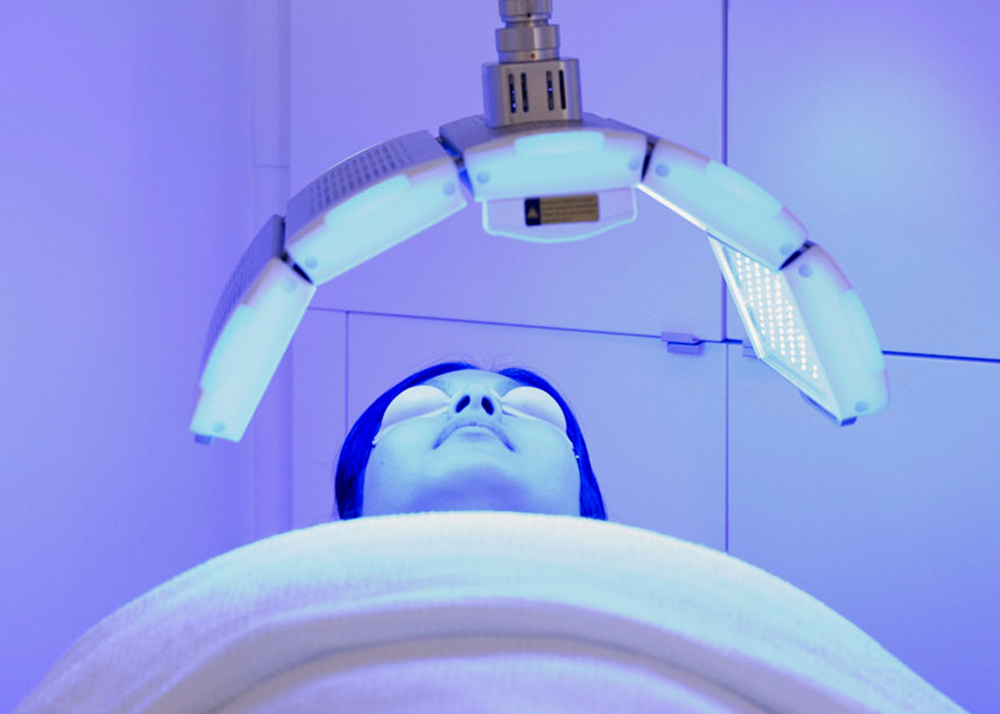
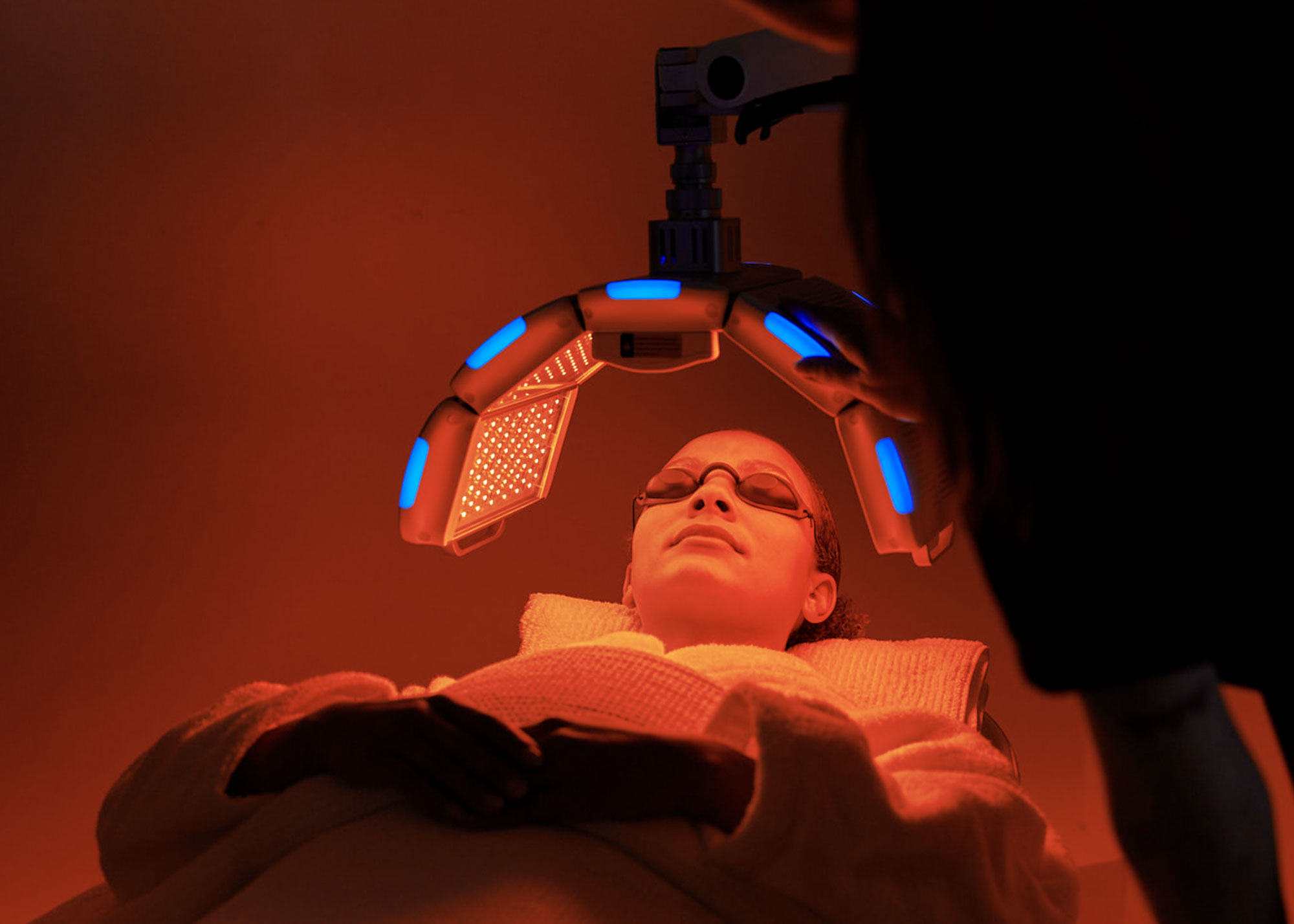
3. LED Light Therapy (In-Clinic)
Use the power of light to support skin repair, reduce pigmentation, and calm inflammation.
- What it is: LED uses multiple wavelengths of light (red, blue, sometimes yellow) to rejuvenate skin without heat or needles.
- Why it helps sun spots: Red light supports collagen production, which helps skin structurally. Yellow light can improve skin tone and reduce inflammation. Over time, this promotes a more even complexion and supports your pigmentation-fading treatments.
- Sessions & comfort: Painless, relaxing, no downtime, and typically used in a series with maintenance as needed.

4. At‑Home LED Light Mask (Lumedica)
Maintain and enhance your in-clinic results with regular, gentle light therapy from home.
- What it is: The Lumedica LED Mask — designed by LUMAXICA™ is a wearable device that delivers therapeutic red and near-infrared light right to your skin. (Product from our sister brand.)
- Why it helps with pigmentation: Daily or regular use can support your skin’s natural healing and melanin regulation, helping to fade dark spots gradually while you sleep or relax.
- How to use it: Use as recommended by your clinician — often several times per week — to extend and maintain pigmentation results safely and conveniently.

The Science Behind Fading Sun Spots
- Melanin metabolism: Effective treatments encourage the dispersion or breakdown of melanin, or the production of new, evenly pigmented skin.
- Collagen stimulation: Microneedling and red light both boost collagen and elastin, helping skin look smoother and more uniform.
- Inflammation reduction: LED helps calm the skin, reducing redness and oxidative stress that can worsen pigmentation.
- Consistent maintenance: Using an at-home LED mask supports longer-term cellular health and reinforces the effects of professional treatments.
Long‑Term Skin Health Habits for Preventing Sun Spots
- Sun protection is essential
Use a broad-spectrum SPF 30+ every day, reapply if you’re outdoors, and wear hats or shade where possible. Sun spots always risk returning without lifetime sun protection. - Avoid tanning & sunbathing
Even irregular sun exposure can drive pigmentation. Be sun-wise — UV exposure adds up. - Maintain a brightening skincare routine
Use vitamin C serums, gentle exfoliants (like AHA), and melanin-regulating actives (e.g., niacinamide) — combined with professional treatments, these support and protect your skin. - Stay hydrated and nourish from within
Drink plenty of water, eat antioxidant-rich foods (berries, leafy greens), and support your skin’s repair mechanisms through good nutrition. - Monitor your skin over time
Book regular skin analysis sessions (every 6–12 months). Pigmentation can change, and regular assessment lets your clinician adjust your treatment plan for long-lasting clarity.
When to Consider Professional Treatment for Sun Spots
If your sun spots are:
- Dark, stubborn or deep in the skin
- Causing you self-consciousness
- Not improving with over-the-counter creams
- Returning rapidly after fading
… then a personalised, clinical approach may be your best bet. Professional treatments like microneedling and LED give you a deeper, more effective way to address pigmentation — no surgery, no harsh lasers needed.
Shop The Treatment Edit
Final Thoughts: Clearer Skin With Confidence
If you’re ready to remove black dark spots from your face and feel more even, radiant, and confident, the combination of clinical assessment, microneedling, and LED therapy (plus consistent at-home care) offers a proven roadmap.
Book a complimentary skin consultation with Body Sculpting Clinics today, and let our experts guide you on the safest, most effective path to fading sun spots — and maintaining your results for the long term.
Complimentary Consultation.
Frequently Asked Questions
What causes sun spots and dark pigmentation?
Sun spots appear due to repeated sun exposure, as UV rays increase melanin production in localized patches of skin.
How many microneedling sessions are needed to fade sun spots?
Typically between 3–6 sessions spaced 4–6 weeks apart, depending on the depth and severity of pigmentation.
Is LED light therapy effective for pigmentation?
Yes — red and yellow light from LED therapy supports collagen regeneration and skin repair, which can help even out tone and reduce the appearance of sun spots.
Can I use both in-clinic LED and an at-home LED mask?
Absolutely. Combining both helps enhance the treatment effect — in-clinic LED for deeper sessions and the Lumedica LED mask for maintenance at home.
How soon will I notice a difference in my sun spots?
It varies. Some clients see changes in skin tone after 2–3 treatments, while deeper pigmentation may take longer (often after completing multiple microneedling sessions).