

Noticing changes in body shape after significant medical weight loss can be unexpected — particularly in the lower buttock area, where volume and firmness may appear reduced.
A loose lower butt after medical weight loss refers to changes in body contour where the lower glute area may appear flatter, less lifted, or less defined following reductions in fat and muscle mass.
While these changes are common after weight loss, the good news is that there are non-surgical treatments and lifestyle strategies that may help improve firmness, lift, and overall body contour.
What Is Medical Weight Loss?
Medical weight loss is a clinically supervised approach to weight management guided by healthcare professionals. Unlike general dieting, it is tailored to the individual and may include nutrition planning, metabolic assessments, and ongoing medical support.
Because medical weight loss often results in significant and sometimes rapid body composition changes, reductions in fat volume — and in some cases muscle mass — can alter the body’s natural shape and support structures.
This is why areas such as the lower buttocks may appear flatter or less lifted after weight loss. As fat volume decreases and skin elasticity adapts to a smaller body shape, the area can sometimes look less firm or less supported.
What Causes a Loose Lower Butt After Medical Weight Loss?
A loose lower butt after weight loss can occur due to several body composition changes, including:
- Reduction in fat volume in the lower glute area
- Loss of muscle mass during or after weight loss
- Decreased skin elasticity as the body adjusts to size changes
- Natural ageing and reduced collagen production
When weight is lost quickly or significantly, the skin and underlying tissue may not fully retract, which can result in a softer or less defined lower buttock area.

What Does a Loose Lower Butt Look Like?
Common signs may include:
- Flattening in the lower buttock region
- Reduced lift or projection
- Mild skin laxity under the glutes
- Less defined lower body contour
These changes are a normal response to body composition shifts after weight loss.
Can a Loose Lower Butt Be Improved?
Yes — the appearance of a loose lower butt can often be improved with a combination of lifestyle support and non-surgical body sculpting treatments designed to target muscle tone, skin firmness, and contour.
Treatment Options to Improve Lower Butt Shape
Non-Surgical Butt Lift
Designed to support lift and contour without surgery, this treatment focuses on improving skin firmness and enhancing overall glute shape.
EMBODY Muscle Sculpting
EMBODY uses high-intensity electromagnetic stimulation to activate deep glute muscle contractions, helping improve tone, firmness, and definition.
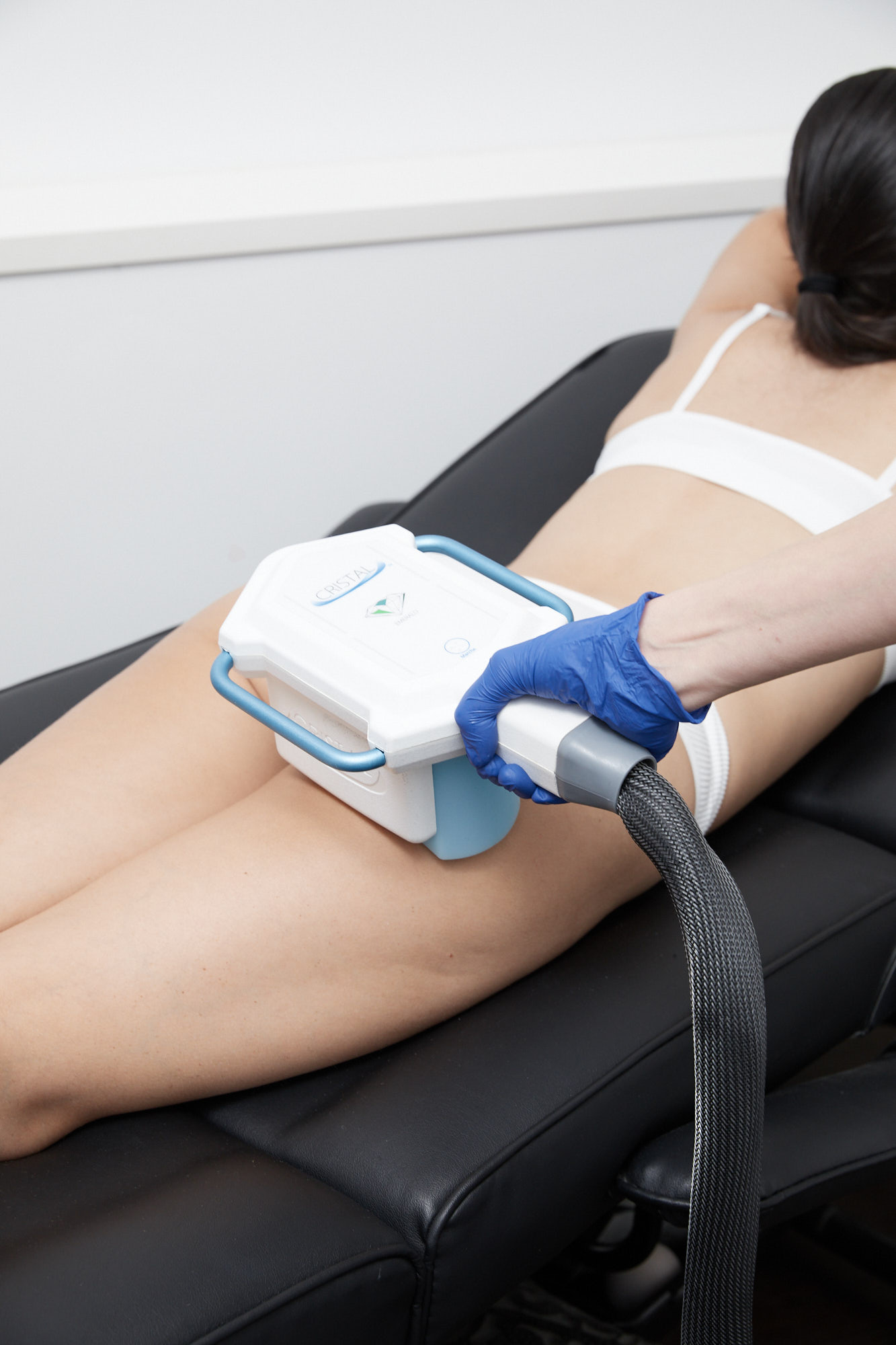
Fat Freezing (Cryolipolysis)
Fat freezing targets stubborn fat in surrounding areas to help refine body proportions and improve overall silhouette balance.
HIFU Body Tightening
HIFU stimulates deeper skin layers to support collagen production, helping improve firmness and reduce laxity over time.
Cellulite Treatments
Cellulite treatments improve skin texture and smoothness, supporting a more even and refined appearance in the lower buttock area.
Shop The Treatment Edit
Lifestyle Support for Better Results
While non-surgical treatments can help improve firmness, contour, and skin quality, maintaining healthy habits may help support and enhance your results over time.
Helpful lifestyle strategies include:
- Strength training 2–3 times per week, with a focus on glute and lower body exercises
- Adequate protein intake to help support muscle maintenance and recovery
- Staying hydrated to support overall skin health and elasticity
- Daily movement and regular activity to promote circulation and tissue health
- Consistency over intensity, focusing on sustainable long-term habits rather than short-term extremes
Combining body sculpting treatments with ongoing lifestyle support may help improve lower body tone, shape, and overall post-weight loss body confidence.
Why Choose Body Sculpting Clinics?
At Body Sculpting Clinics, we specialise in non-surgical body contouring designed specifically for patients experiencing changes after medical weight loss.
Our approach focuses on:
- Supporting lower body firmness and lift
- Improving skin elasticity and texture
- Enhancing muscle tone and definition
- Creating personalised treatment plans tailored to post-weight loss changes
We understand that medical weight loss is a significant achievement — and our treatments are designed to help you feel confident in your new shape.
Complimentary Consultation.
FAQs
What causes a loose lower butt after medical weight loss?
A loose lower butt after medical weight loss can occur due to fat loss, reduced muscle mass, and changes in skin elasticity, which may affect firmness and shape in the lower glute area.
Can a loose lower butt be improved?
Yes. Non-surgical treatments such as muscle stimulation, skin tightening, and body contouring may help improve lift, firmness, and overall shape.
Is a loose lower butt permanent?
Not necessarily. While natural changes in body composition can occur, appearance may be improved with targeted treatments and resistance training.
How can you help prevent a loose lower butt after medical weight loss?
Gradual weight loss, glute-focused resistance training, adequate protein intake, hydration, and maintaining muscle mass may help reduce the likelihood of volume and firmness loss.
What is the best treatment for a loose lower butt?
The best results often come from a combination approach, which may include EMBODY muscle sculpting, non-surgical butt lift treatments, HIFU skin tightening, and cellulite treatments.