
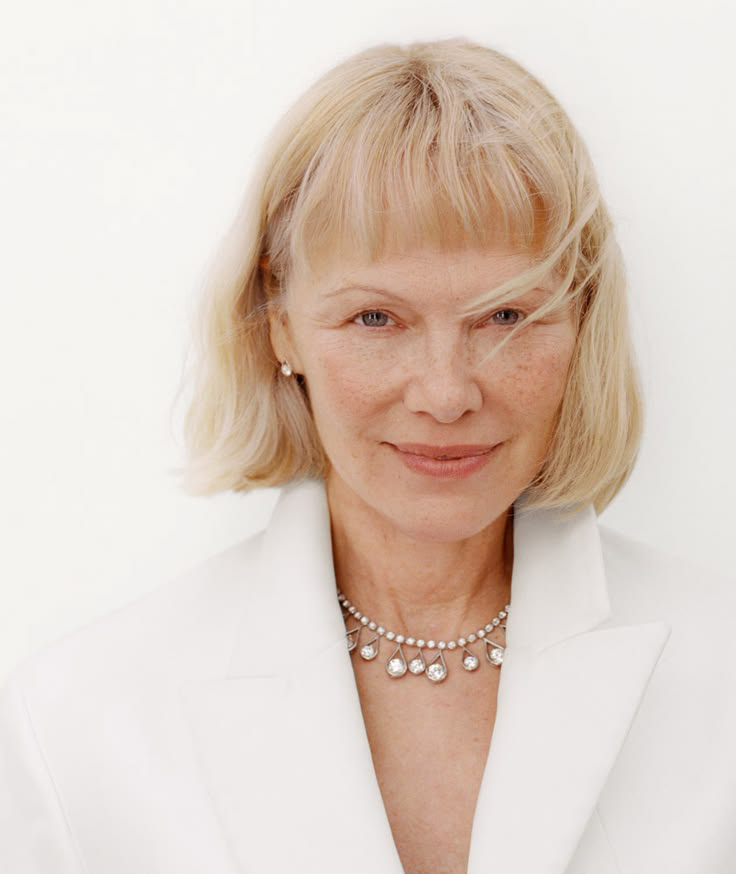
Skin can feel distinctly different around midlife. Many individuals notice increased dryness, heightened sensitivity, or changes in overall texture.
Body composition may also shift during this stage, particularly in where fat is stored. While these experiences are common topics of discussion, they present differently for everyone—and hormonal fluctuations represent only one piece of a broader picture.
At Body Sculpting Clinics—Best in Body. Best in Treatments.—our medical team emphasises looking at the bigger picture rather than viewing aesthetic concerns in isolation. A single photograph or an individual symptom rarely captures the full context. Understanding the contributing factors behind skin and body changes empowers you to ask informed questions and decide when to seek individual advice.
This article provides general educational information only. It does not constitute a medical diagnosis, a personalised treatment plan, or a guide to treating menopause.
Can menopause affect your skin?
Changing hormone levels during midlife may be associated with changes in your skin for some people. Oestrogen plays an important role in skin hydration, thickness, and elasticity. As oestrogen levels fluctuate and eventually decline, some individuals notice differences in how their skin looks and feels.
To help understand how these hormonal shifts occur, it helps to distinguish between the stages of the menopause transition:
-
Perimenopause: The transitional period leading up to menopause, when hormone levels begin to fluctuate, menstrual cycles may become irregular, and symptoms can start.
-
Menopause: The point in time reached after 12 consecutive months without a menstrual period, where there is no other medical explanation.
-
Postmenopause: The ongoing stage that follows menopause.
However, it is important not to assume that every skin concern during this time is caused by hormones. Natural intrinsic ageing, genetics, underlying medical conditions, medications, and environmental factors like sun exposure also significantly influence skin health. While changing hormone levels can contribute to differences in skin hydration and firmness, skin changes alone cannot confirm or diagnose menopause.
What skin changes might you notice?
There is no single pattern of skin changes during midlife. Some people may notice one or more of the following:
-
Dryness or tightness: Skin may feel less comfortable, less hydrated, or uncomfortably tight.
-
Itchiness or sensitivity: Skin may become more prone to irritation or react differently to familiar products.
-
Changes in texture: You may notice differences in surface smoothness or the appearance of fine lines.
-
Changes in elasticity: Skin may feel less firm or show subtle changes in elasticity.
These are possible experiences that some people report, not a checklist to confirm menopause. Natural ageing, underlying health conditions, medications, skin conditions, and environmental factors can also affect the skin in similar ways. If a skin change persists, worsens, or causes ongoing concern, speak with a GP or dermatologist. For further health guidance, explore Healthdirect’s menopause resources and the Australasian Menopause Society.
Supporting Skin Comfort and Barrier Integrity
A simple, gentle routine can help support skin comfort, particularly if dryness or sensitivity has become more noticeable. A complex routine with many steps is not necessarily better—taking a minimalist approach allows you to support your skin barrier while minimising the risk of reactivity.
-
Cleanse gently: Choose mild, non-foaming, pH-balanced cleansers that refresh the skin without stripping away natural oils or leaving it feeling uncomfortably tight.
-
Moisturise regularly: Use a hydration-focused moisturiser that restores surface moisture and feels comfortable on your skin.
-
Introduce active ingredients gradually: Avoid starting multiple new products or strong active ingredients at the same time. Introducing products one by one makes it easier to track how your skin responds and identify potential irritants.
-
Monitor for sensitivity: If you experience burning, stinging, redness, or ongoing irritation, discontinue using the product and seek guidance.

As hormone levels fluctuate, skincare that previously worked well for you may no longer suit your current needs. While a thoughtful skincare routine supports daily skin comfort and texture, topical products do not manage hormonal shifts or treat menopausal symptoms. If you have questions about systemic menopause management or want to discuss medical options, your GP can provide holistic advice tailored to your health profile. (Refer to Healthdirect’s guidance on managing symptoms without medication).
Can Menopause Change Body Composition?
During the menopause transition, hormonal changes may be associated with shifts in body composition, including a tendency to store more fat around the waist and abdomen, as well as changes in muscle mass. However, these patterns vary significantly between individuals—menopause does not cause a specific or stubborn pocket of fat in every person.
It is equally important to consider other contributing factors. Ageing, sleep quality, physical activity levels, diet, medications, and individual health conditions all influence how body composition changes over time.
When considering changes in the abdominal area, it helps to distinguish between two different types of fat:
-
Subcutaneous fat: Located directly beneath the skin and sitting above the abdominal wall muscles. This is the localised fat evaluated during cosmetic body-contouring assessments.
-
Visceral fat: Stored deeper inside the abdominal cavity, surrounding internal organs. Visceral fat is metabolically active and linked to metabolic and cardiovascular health risks.
Cosmetic body-contouring procedures are designed solely for selected areas of subcutaneous fat in appropriately assessed individuals. They are not a treatment for visceral fat, weight gain, obesity, or associated health risks. If you notice significant or unexplained changes in weight or body composition, consult your GP for a comprehensive health review. For additional lifestyle guidance, refer to the Australasian Menopause Society’s advice on weight and health.

Do localised fat concerns always need surgery?
Stubborn fat after 40? Surgery isn’t the only option to ask about. A localised bulge of subcutaneous fat does not automatically mean invasive surgery is required, nor does it mean treatment is necessary if you are comfortable with your appearance.
For appropriately selected clients seeking non-surgical body-contouring, procedures such as CRISTAL® Fat Freezing may be an option to explore through an individual consultation. CRISTAL® Fat Freezing uses controlled cooling to target selected areas of subcutaneous fat. However, it is important to understand its scope and limitations:
-
It is not liposuction: Non-surgical body-contouring and surgical liposuction are distinct procedures with different methods, capabilities, and clinical considerations; one does not simply replace the other in every case.
-
It is not a weight-loss treatment: The procedure targets specific, localised areas of subcutaneous fat and is not a solution for overall weight management, obesity, or menopausal changes in body composition.
-
It is not suitable for everyone: Suitability depends on the specific treatment area, individual health history, skin elasticity, and personal goals.
-
Outcomes vary: Results differ between individuals and cannot be guaranteed.
Determining whether a procedure is right for you requires a comprehensive consultation. Detailed research into non-invasive body-contouring technologies emphasises that treatment selection should always be guided by qualified clinical assessment. A practitioner will assess the targeted area, discuss your goals, explain potential risks and limitations, and help establish realistic expectations.
When Should You Consult a Health Professional?
Because symptoms overlap across various health conditions, persistent changes should always be reviewed by a primary healthcare professional. Speak with your GP if you experience:
- Persistent, unexplained, or worsening skin irritation, itching, or inflammation.
- New or changing skin lesions, moles, or spots requiring clinical evaluation.
- Unexplained or sudden shifts in weight or abdominal circumference.
- Systemic menopausal symptoms (such as sleep disruption, mood alterations, or severe hot flushes) impacting quality of life.
- Questions regarding medical management, hormone therapies, or lifestyle interventions.
A GP provides comprehensive diagnostic care and medical management. If your goals relate specifically to non-surgical aesthetic refinement, our clinical practitioners can discuss treatment options during a structured evaluation. Please note that the Body Sculpting Clinics medical team specialises in aesthetic procedures and does not diagnose menopause or manage systemic hormone replacement therapy.
Book a $50 medical team consult
There is rarely a single cause for skin or body composition changes during midlife. Endocrine shifts, chronological ageing, genetics, lifestyle factors, and overall health all interact. An open, informed discussion with a health professional ensures you receive advice tailored to your personal health profile.
Have questions about your skin texture or localised body concerns? Book a $50 consultation with our medical team to discuss your goals and determine if treatment at Body Sculpting Clinics is right for you.
Complimentary Consultation.
FAQs
Can menopause cause dry or itchy skin?
Hormonal changes during perimenopause and menopause can contribute to reduced skin moisture and heightened sensitivity for many individuals. However, intrinsic ageing, preexisting skin conditions, medications, and climate factors also play a role. If skin irritation or dryness persists, consult a GP or dermatologist.
At what age do menopause-related skin changes begin?
There is no fixed age when skin changes begin. Some individuals notice alterations during perimenopause (often in their 40s), while others experience shifts closer to or after menopause. Because intrinsic ageing and environmental factors also alter skin over time, skin changes alone do not indicate menopause.
What skincare routine is recommended during menopause?
A simple, gentle routine focused on barrier repair is recommended. Avoid harsh exfoliation or over-cleansing, and introduce new active ingredients one at a time. If irritation continues, consult a qualified skincare clinician or medical specialist for personalised guidance.
Can menopause affect fat distribution around the abdomen?
Yes, midlife hormonal shifts often lead to a redistribution of subcutaneous fat toward the waistline and abdomen. However, metabolic rate, nutrition, sleep quality, stress, and physical activity levels also strongly influence body composition. A GP can evaluate significant or unexpected weight shifts.