
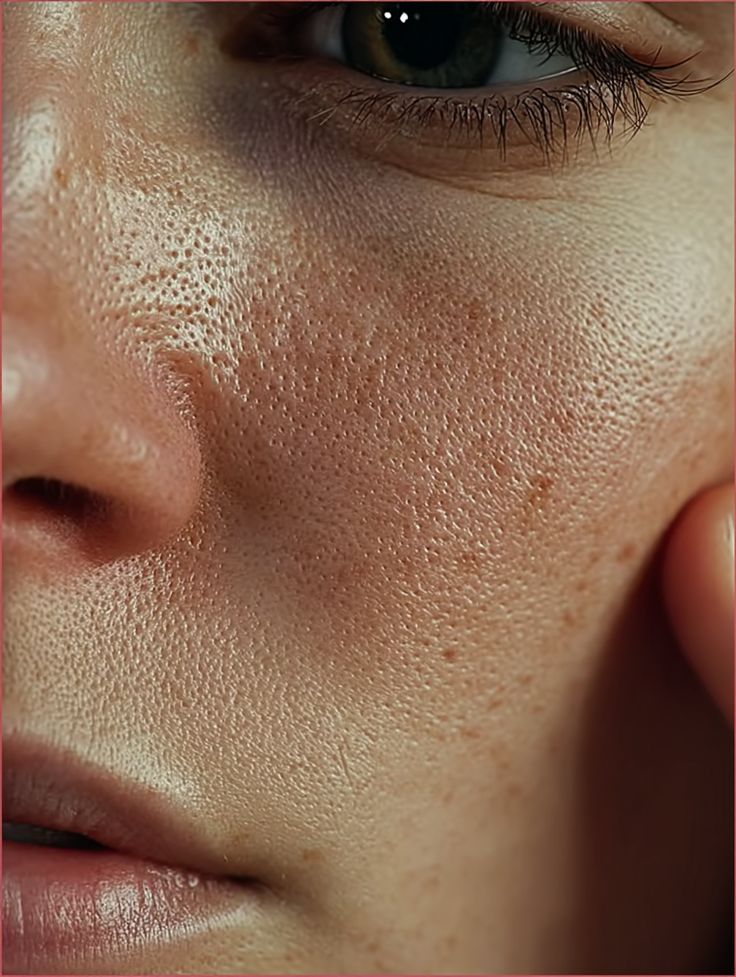
Enlarged-looking pores are incredibly common, affecting most people at some stage, particularly across the nose, cheeks and forehead — regardless of how thorough their skincare routine is.
They’re caused by a combination of factors, including excess oil production, reduced skin elasticity and a build-up of debris within the pore, creating a texture that many people find frustrating and hard to change with products alone.
While pore size itself is largely structural and can’t be permanently altered, there are effective ways to help minimise their appearance. In this article, we’ll explore 11 professional treatments and habits that may help, including the skin treatments available at Body Sculpting Clinics.
Why Pores Appear Enlarged
Pore size is largely determined by genetics, but several factors can make pores appear more visible:
- Excess oil production, which can stretch the pore opening over time
- Reduced skin elasticity, particularly with age, which can make the surrounding skin less taut
- Build-up of debris and dead skin cells, which can widen the visible opening of the pore
Because these factors work together, a combined approach — treatments plus supportive skincare habits — tends to be more effective than relying on any single step.
Professional Treatments That Help
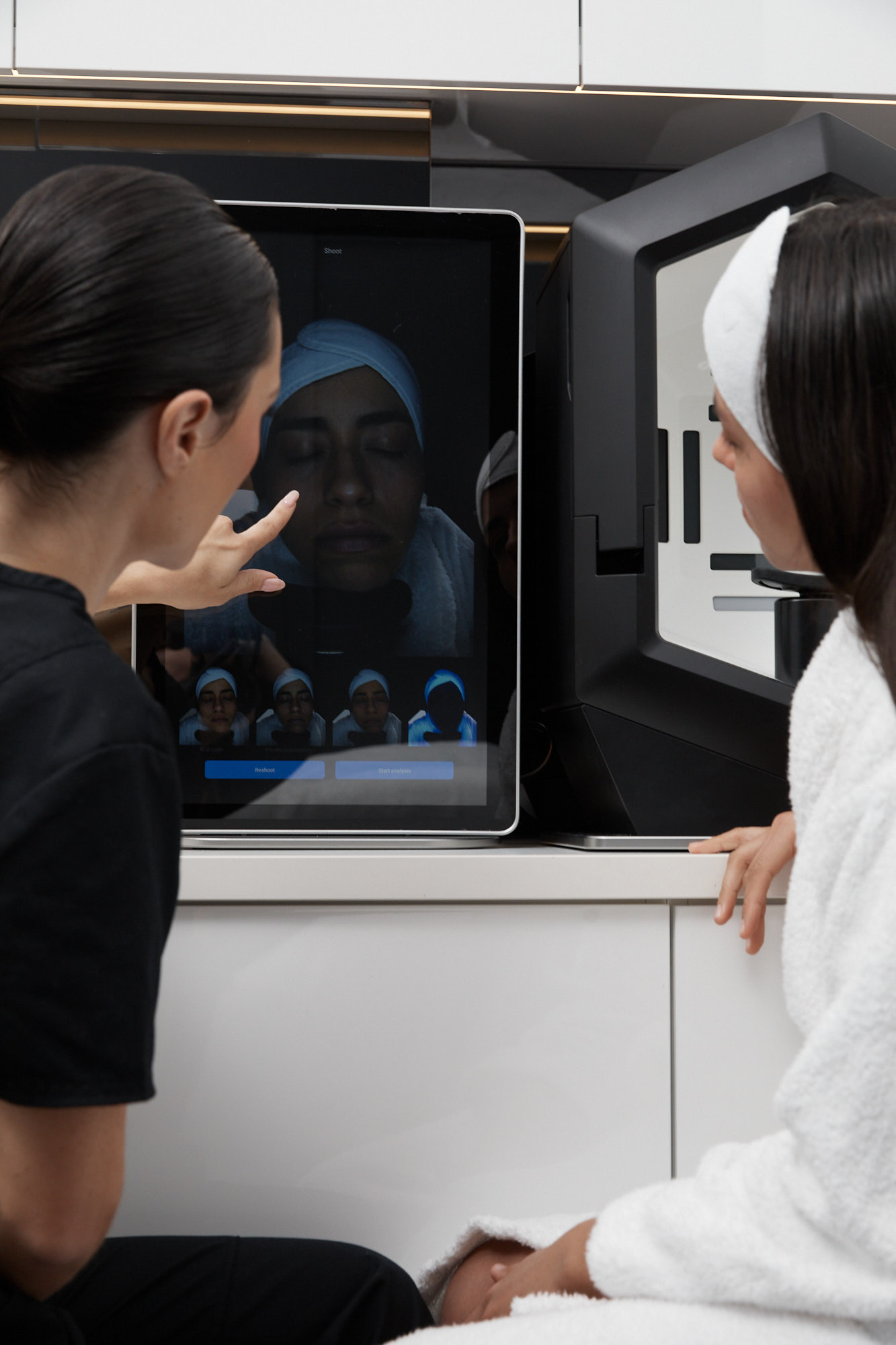
1. Skin Analysis Assessment
Before recommending any treatment, a proper Skin Analysis helps identify what’s contributing to your pore appearance — whether it’s oil production, sun damage or textural change — so your plan is built around your actual skin, not guesswork.
2. Microneedling
Microneedling creates controlled micro-channels in the skin, which is designed to support collagen production. As the surrounding skin firms, pores may appear less pronounced as part of an overall improvement in texture.
3. Dermal Peels
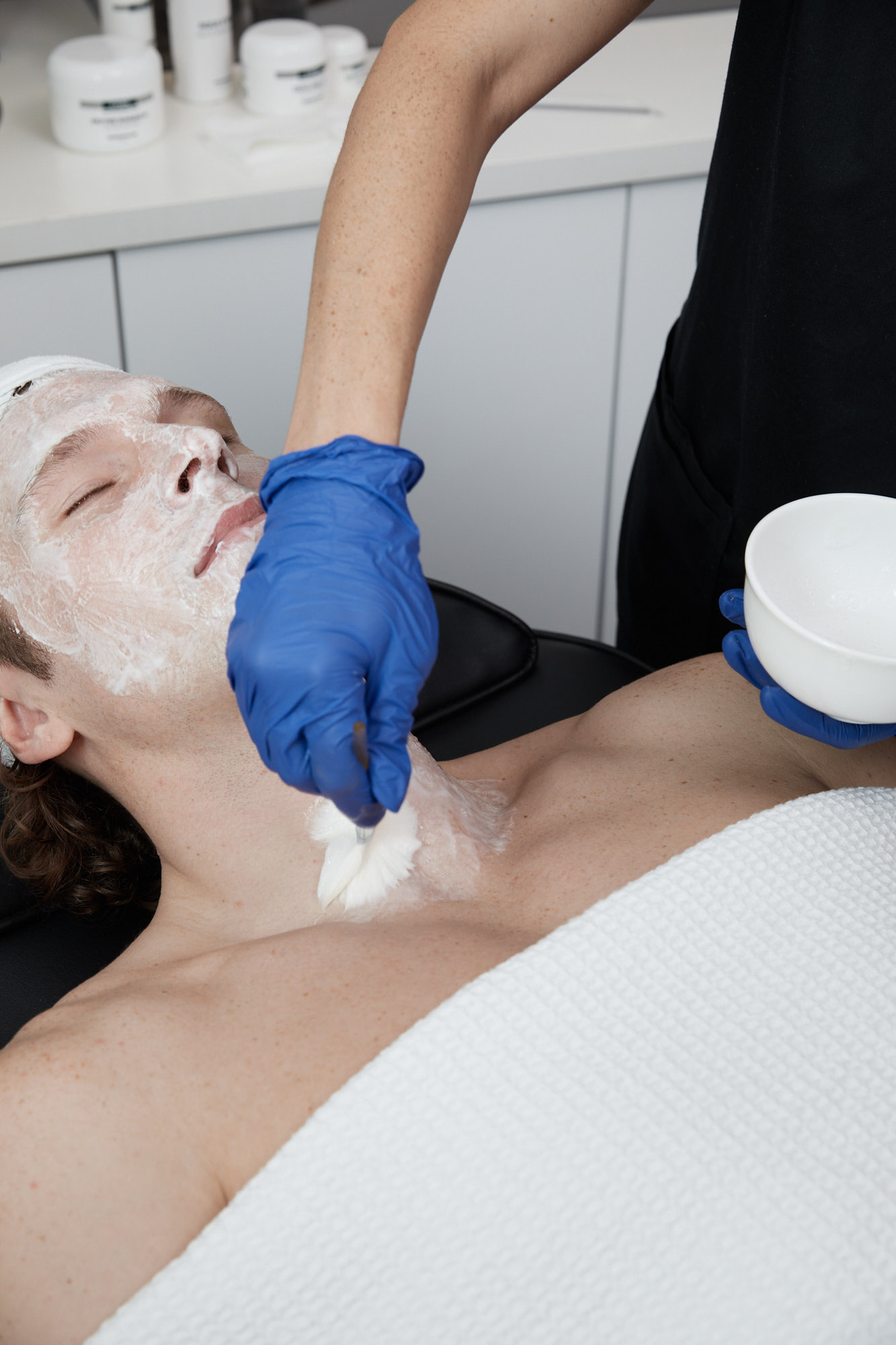
Dermal Peels use tailored acid formulations to support exfoliation and cell renewal, which may help clear debris from within the pore and support a smoother-looking surface.
4. RF Rejuvenation
RF Rejuvenation gently heats the dermis to support collagen and elastin production, which may help improve the surrounding skin’s firmness and, in turn, the visible appearance of pores.
5. LED Light Therapy
LED Light Therapy, particularly the blue wavelength, is generally associated with supporting oily and congestion-prone skin, which may help reduce factors that contribute to visibly enlarged pores.
6. DMK Specialty Treatments
DMK Specialty Treatments work with the skin’s own physiology to support circulation and oil regulation at a cellular level, as part of an ongoing, structured skin management approach.
Maximising Your Results
7. Daily Broad-Spectrum Sun Protection
Sun exposure can reduce skin elasticity over time, which may make pores appear more prominent. Daily SPF is a foundational step in any skin management plan.
8. A Tailored Skincare Routine
A skincare routine suited to your skin type — rather than a generic one — supports the results of any in-clinic treatment and helps maintain skin balance between sessions.
9. Gentle, Consistent Cleansing
Regular, gentle cleansing helps reduce the build-up of oil and debris that can make pores appear more visible, without over-stripping the skin, which can trigger excess oil production in response.
10. Non-Comedogenic Product Choices
Choosing skincare and makeup labelled non-comedogenic can help reduce the likelihood of products contributing to pore congestion.
11. Regular Professional Skin Reviews
Pore appearance can change with the seasons, hormones and skincare habits, so periodic reviews with your clinician help keep your management plan relevant to your skin’s current needs.
What to Expect During Treatment
Before your session: your clinician will confirm which combination of treatments is appropriate based on your Skin Analysis and assessment.
During your session: sensations vary by treatment — microneedling may involve mild discomfort, dermal peels a tingling or warming sensation, and RF a gentle warming sensation. LED and DMK treatments are generally gentle. Your clinician will explain what to expect for each treatment.
After your session: most of these treatments involve little to no downtime, though some peels may involve mild flaking depending on strength. Your clinician will provide aftercare guidance specific to your treatment.
What's Realistic to Expect
Because pore size is structural, treatments are designed to support the appearance of skin around the pore — improving texture, oil balance and firmness — rather than permanently changing pore size itself. Your clinician will talk you through what may be realistic for your skin during your consultation, rather than promising a fixed outcome.

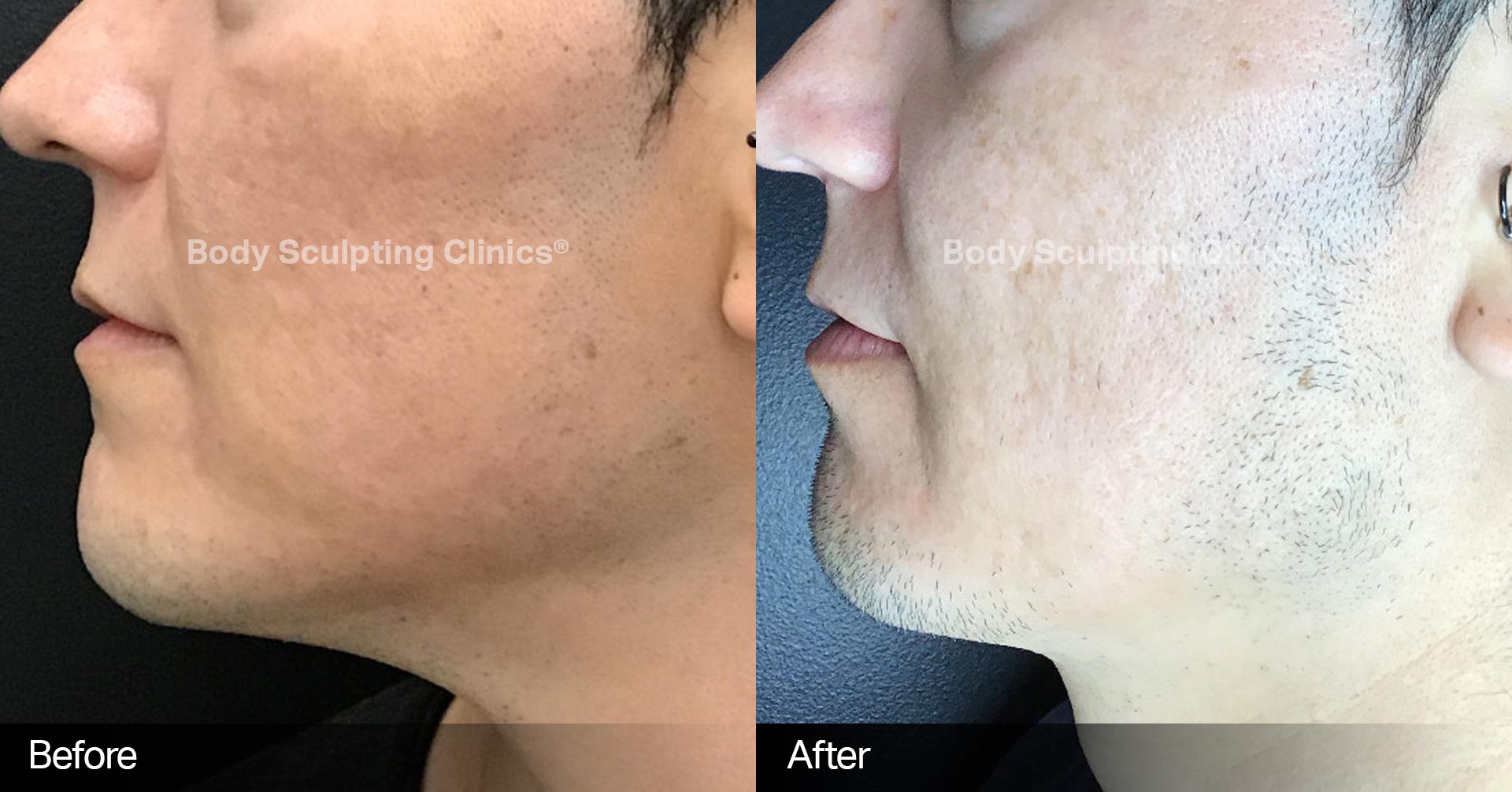
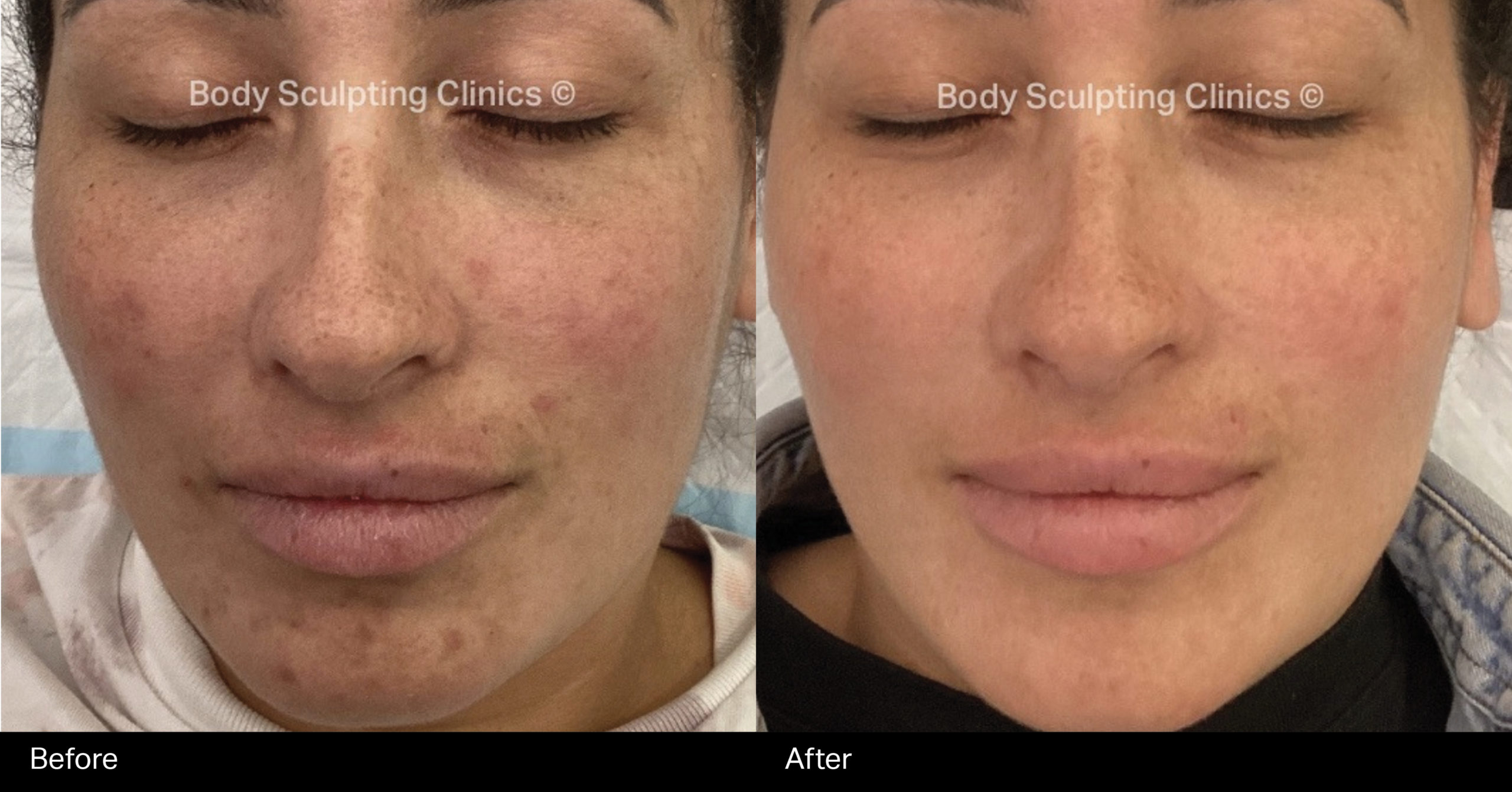
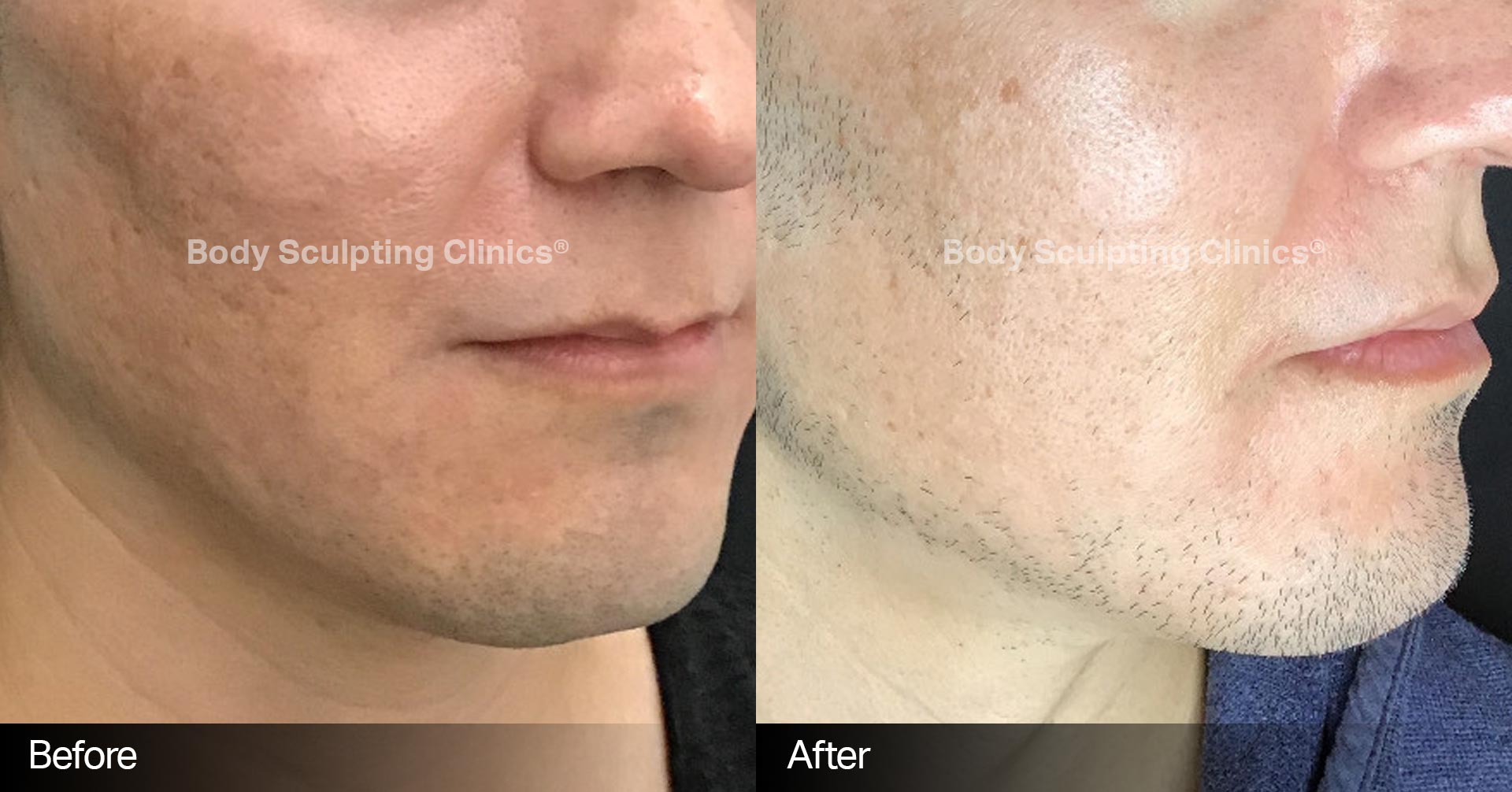
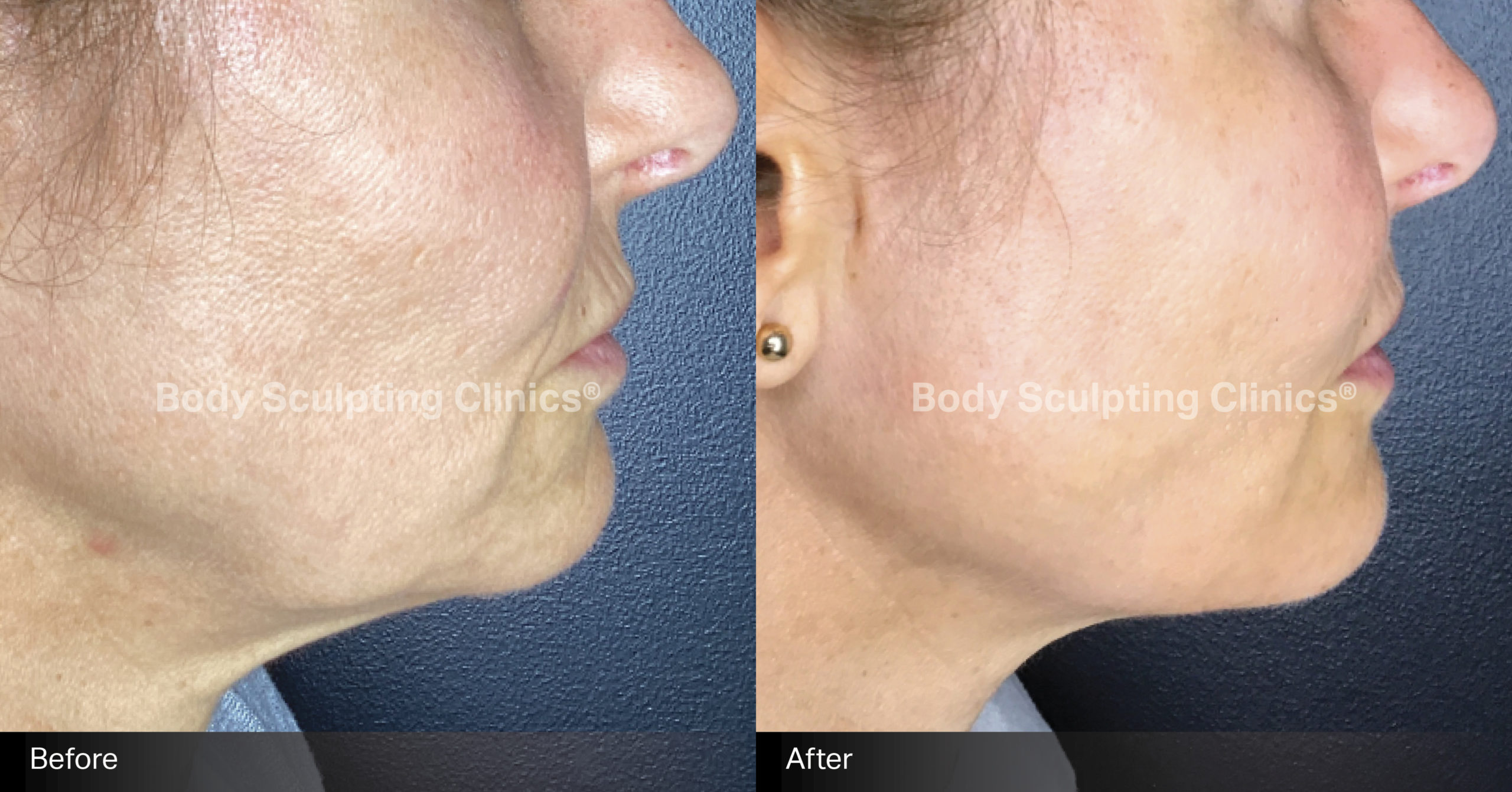
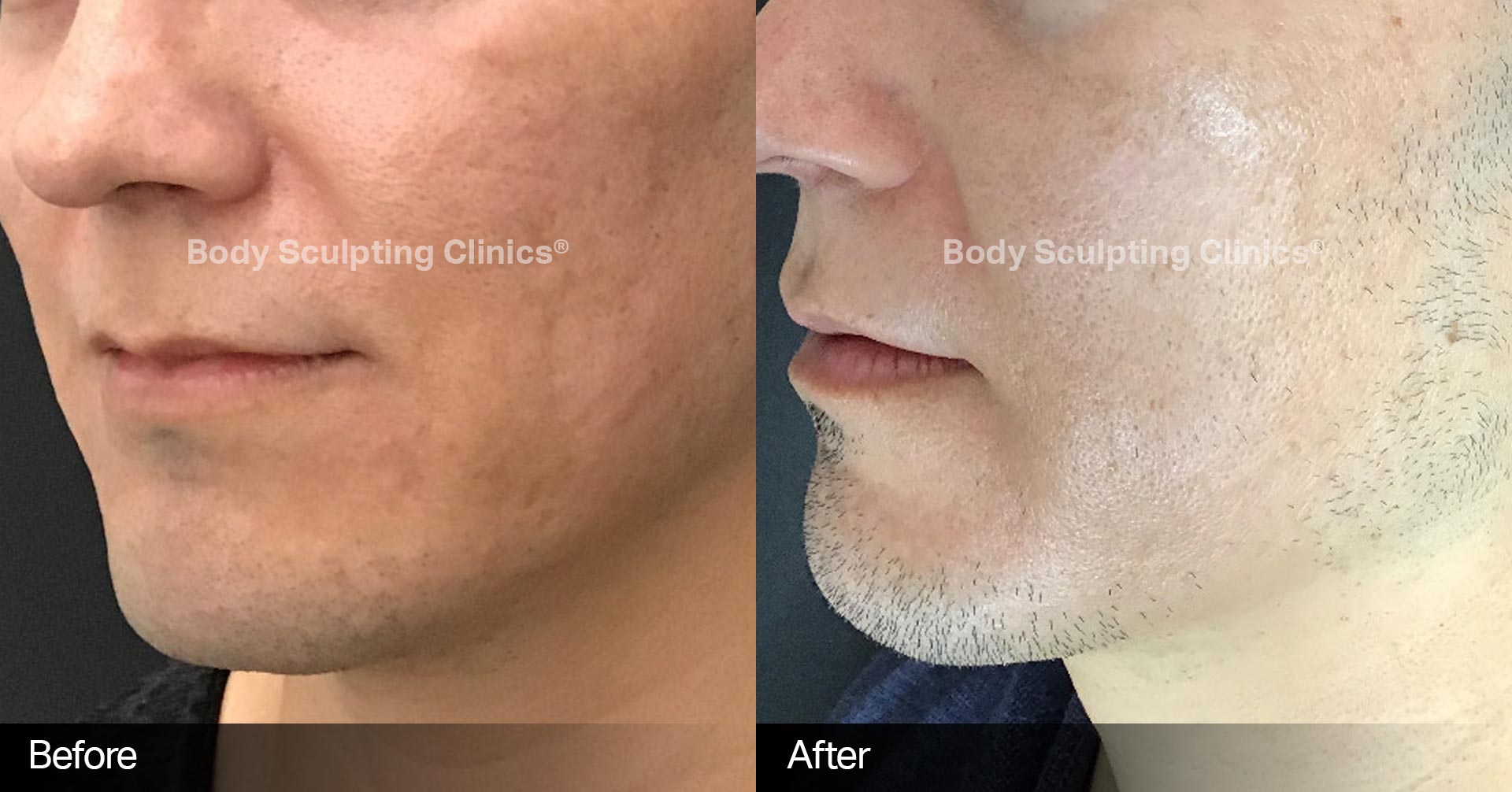
*Disclaimer: Results vary from patient to patient.
Shop The Treatment Edit
Why Choose Body Sculpting Clinics
Enlarged pores can have several contributing factors, which is why a generic routine often falls short. At Body Sculpting Clinics, every plan begins with a clinical consultation and assessment carried out by our qualified team, who will recommend the treatments and habits appropriate to your skin.
Complimentary Consultation.
FAQs
Can enlarged pores be permanently shrunk?
Pore size is largely determined by genetics and skin structure, so it can’t be permanently changed. Treatments are designed to support the appearance of the surrounding skin — through improved texture, oil balance and firmness — which may help pores look less pronounced.
What's the best treatment for enlarged pores?
There isn’t a single best treatment, as the right approach depends on what’s contributing to your pore appearance, such as oil production or skin texture. Microneedling, dermal peels and RF rejuvenation are commonly considered, and a professional skin assessment is the best starting point.
How often should I have professional pore-focused treatments?
Recommended frequency depends on your skin type, concern and overall management plan, and will be discussed during your consultation and assessment rather than following a fixed schedule for everyone.
Does skincare alone help with enlarged pores?
A tailored skincare routine can support skin balance and texture between professional treatments, but is generally most effective when combined with an in-clinic management plan rather than used alone.