
Concerns like breakouts, redness and an uneven, tired-looking complexion are incredibly common, affecting people of all skin types at different stages of life.
They’re caused by a combination of factors — from excess oil and inflammation to changes in the skin’s structure over time — creating concerns that many people find hard to fully address with skincare products alone.
While there’s no single colour of light that suits every concern, there are important differences to understand between yellow and blue LED wavelengths. In this article, we’ll break down how each works and explore the LED Light Therapy treatment available at Body Sculpting Clinics.
Blue LED Light Therapy
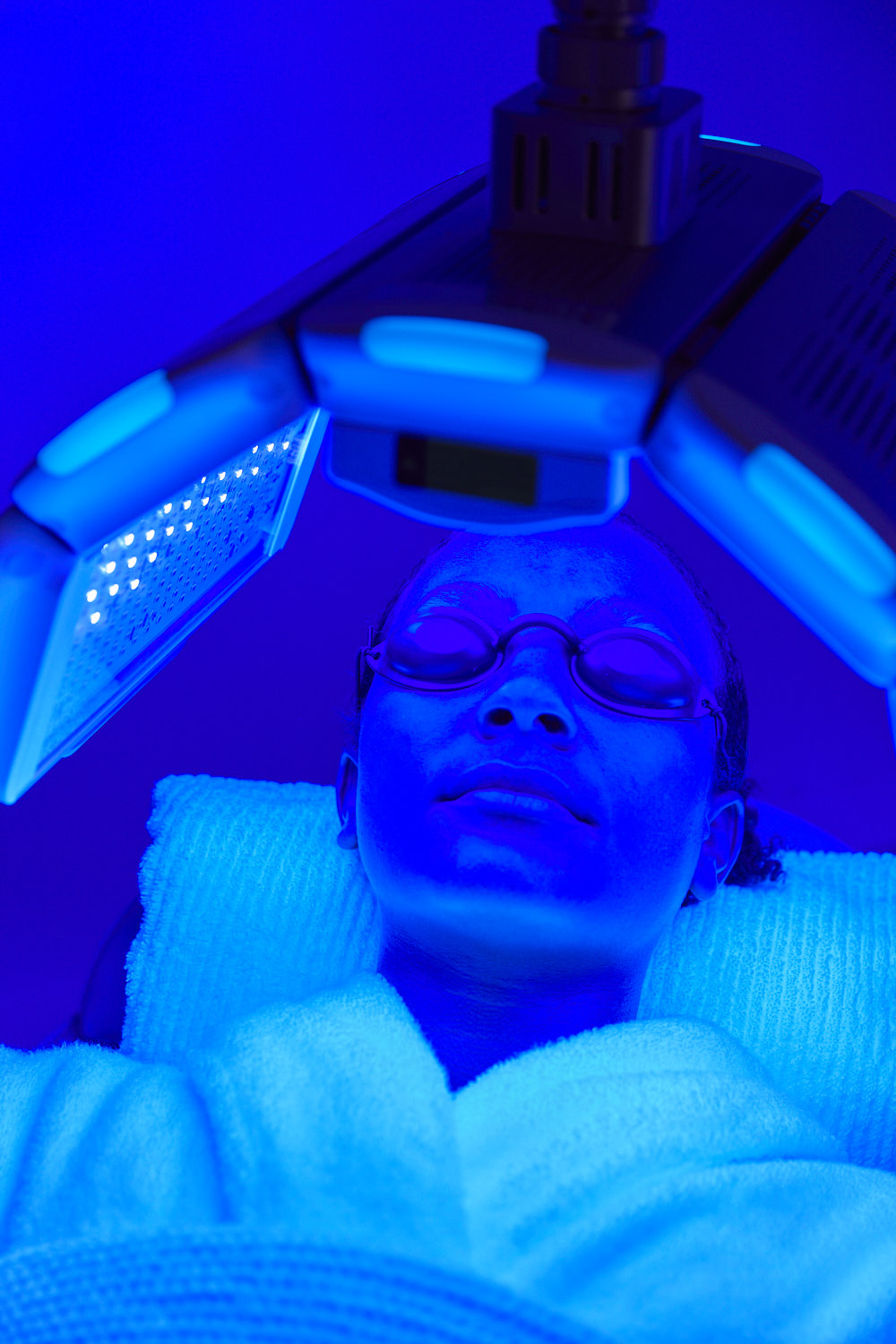
LED Light Therapy using the blue wavelength is generally associated with targeting the skin’s surface environment, making it a popular option for oily, congested, or blemish-prone skin. Like yellow light, it’s a gentle, non-invasive treatment with no heat or downtime, making it a simple, comfortable addition to an ongoing skin management plan.
Benefits may include:
-
Gentle, targeted support for blemish-prone and congested skin
-
Helps balance surface oil and promote a clearer-looking complexion
-
Zero downtime or heat, making it suitable for regular maintenance
-
Integrates seamlessly alongside dermal peels, thorough extractions, or clarifying skin treatments
Commonly targeted areas: full face, neck, chest, or upper back.
Yellow LED Light Therapy
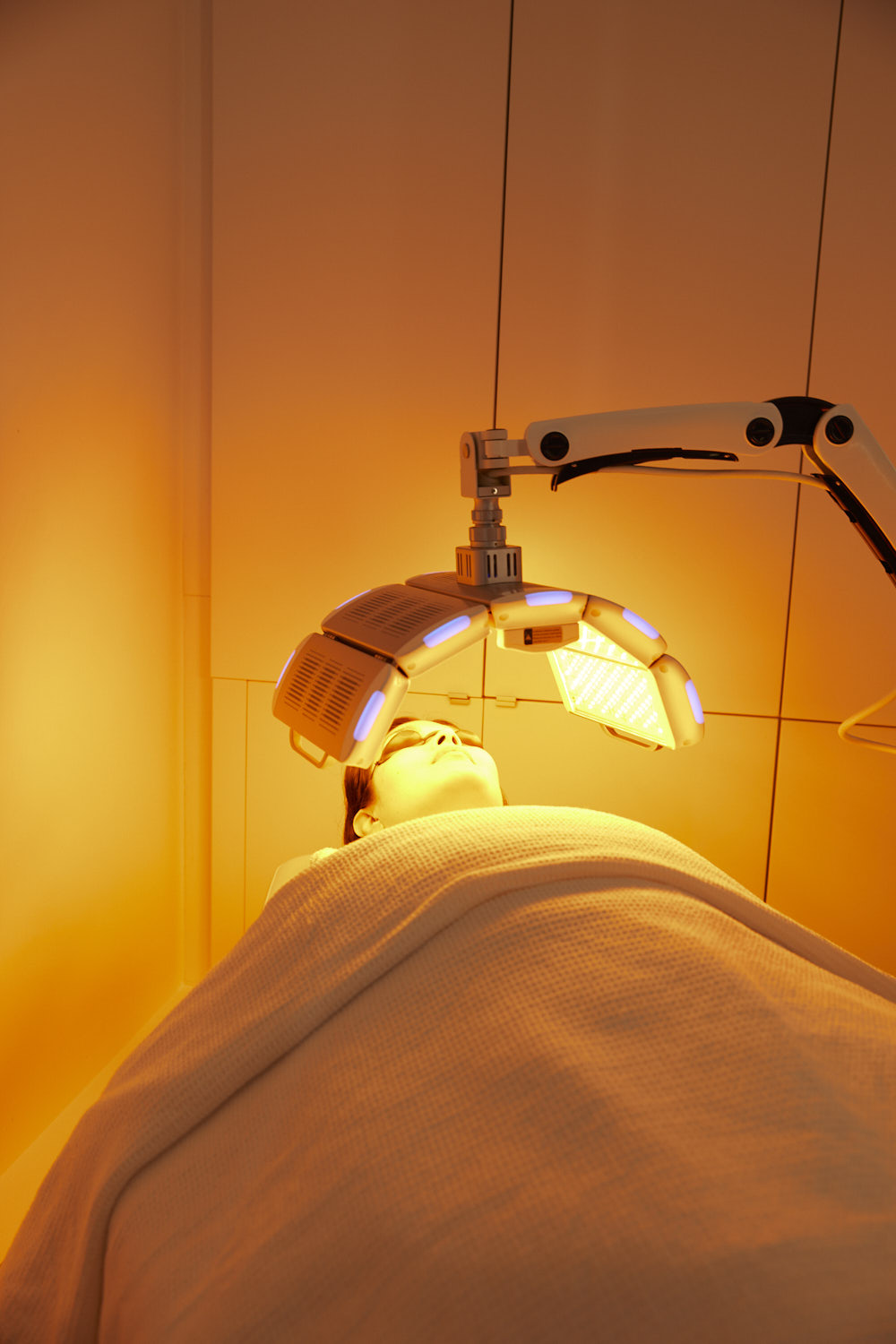
LED Light Therapy using the yellow wavelength is generally associated with supporting the skin’s natural cellular processes, and is often considered for skin that appears tired, uneven or sensitive. Like blue light, it’s a gentle, non-invasive treatment with no downtime, making it a comfortable addition to an ongoing skin management plan.
Benefits may include: gentle, non-invasive support for the skin’s natural processes; no downtime or sensitivity, suiting regular use; and a treatment that layers well alongside microneedling, dermal peels or RF rejuvenation.
Commonly targeted areas: full face and neck.
Which One Might Be Right for You?
- If your primary concern is oiliness, congestion or breakouts, blue LED is generally the wavelength associated with that concern.
- If your primary concern is redness, sensitivity or general skin tone and radiance, yellow LED is generally the wavelength more commonly considered.
- Many people incorporate both wavelengths at different points as part of a broader, ongoing skin management plan — this is best mapped out during a professional assessment of your skin.
What to Expect During Treatment
Before your session: your clinician will confirm the wavelength appropriate to your skin concern and cleanse your skin.
During your session: LED light therapy is generally described as a comfortable, relaxing experience with no heat, discomfort or sensation of the light itself. Sessions are typically a fixed part of your visit and can be combined with other treatments.
After your session: there’s no downtime, so you can return to your normal routine immediately. Your clinician can advise on how LED fits into your broader skincare routine.
Yellow vs Blue LED: At a Glance
| Blue LED Light | Yellow LED Light | |
|---|---|---|
| Commonly associated with | Oily, blemish-prone and congested skin | Redness, sensitivity, and general skin tone support |
| How it’s described | Designed to target the environment associated with breakouts | Designed to support the skin’s calming and cellular processes |
| Sensation | Gentle, no heat or discomfort | Gentle, no heat or discomfort |
| Downtime | None | None |

Maximising Your Results
- Attend regular sessions — LED light therapy is generally recommended as part of an ongoing routine rather than a single visit.
- Follow your clinician guidance on which wavelength suits your current skin concern, as this may change over time.
- Maintain a consistent skincare routine between sessions to support your skin’s overall condition.
- Wear daily sun protection to support skin tone and overall condition alongside your treatments.
Complementary Treatments to Enhance Results
- Skin Analysis — helps determine which wavelength may suit your skin and track progress.
- Lumedica LED Mask— LED Mask serve as in home treatment to maximise result.
- Dermal Peels — LED can complement peels as part of a broader skin management plan.
What's Realistic to Expect
LED light therapy is designed to gently support the skin’s natural processes as part of an ongoing management plan, rather than deliver a dramatic or instant change. Your clinician will talk you through what may be realistic for your skin during your consultation, rather than promising a fixed outcome.
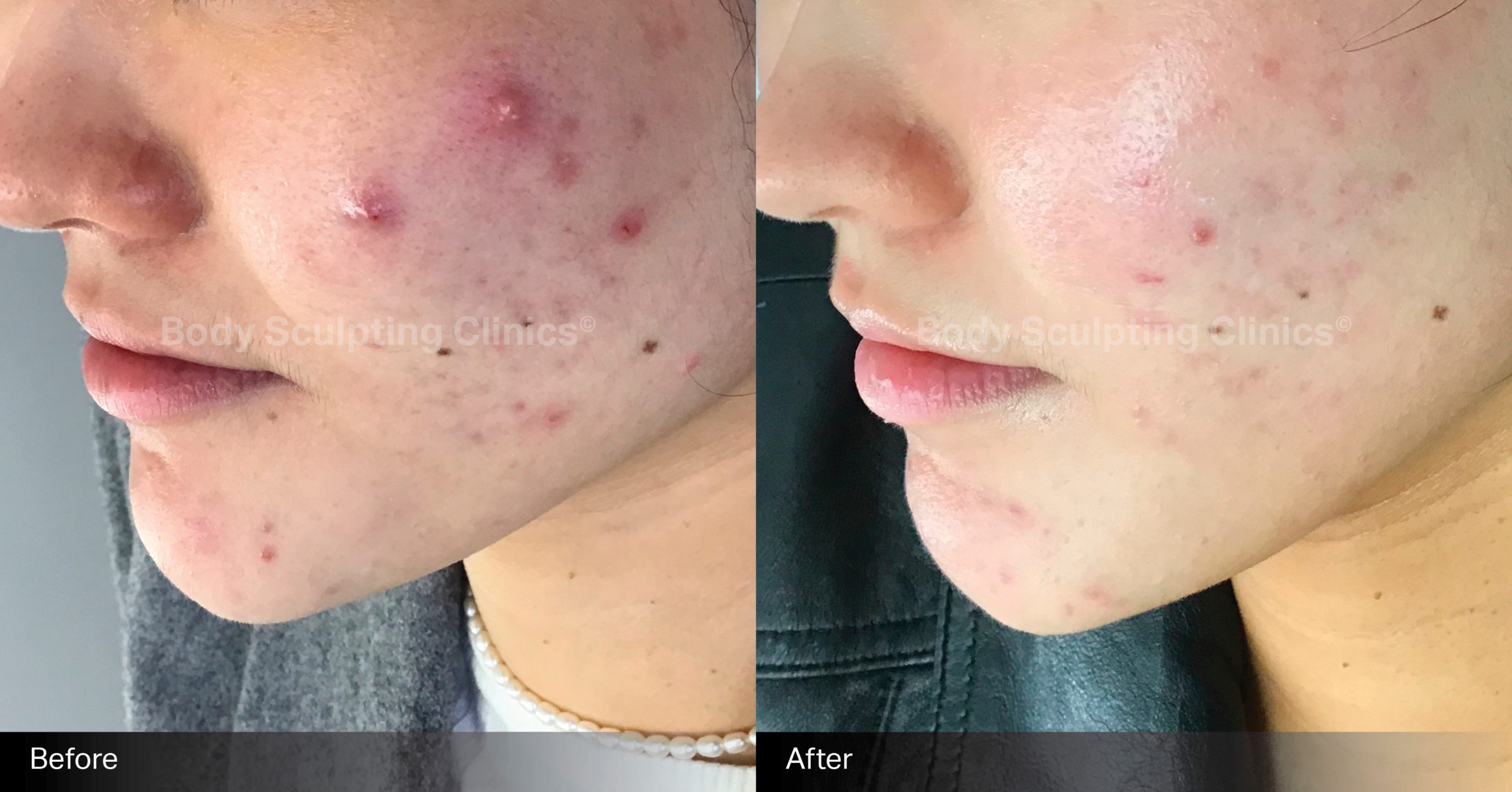
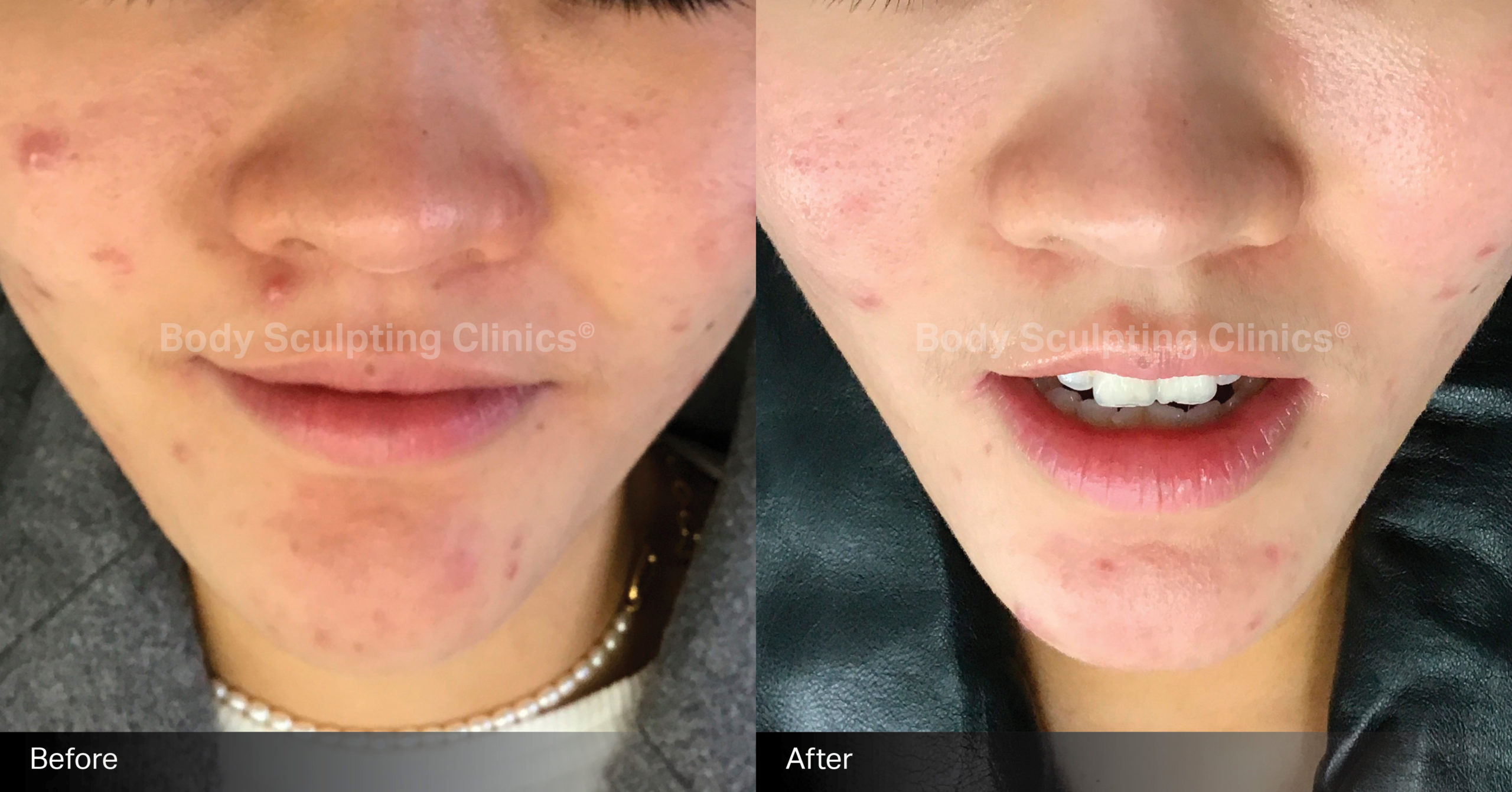
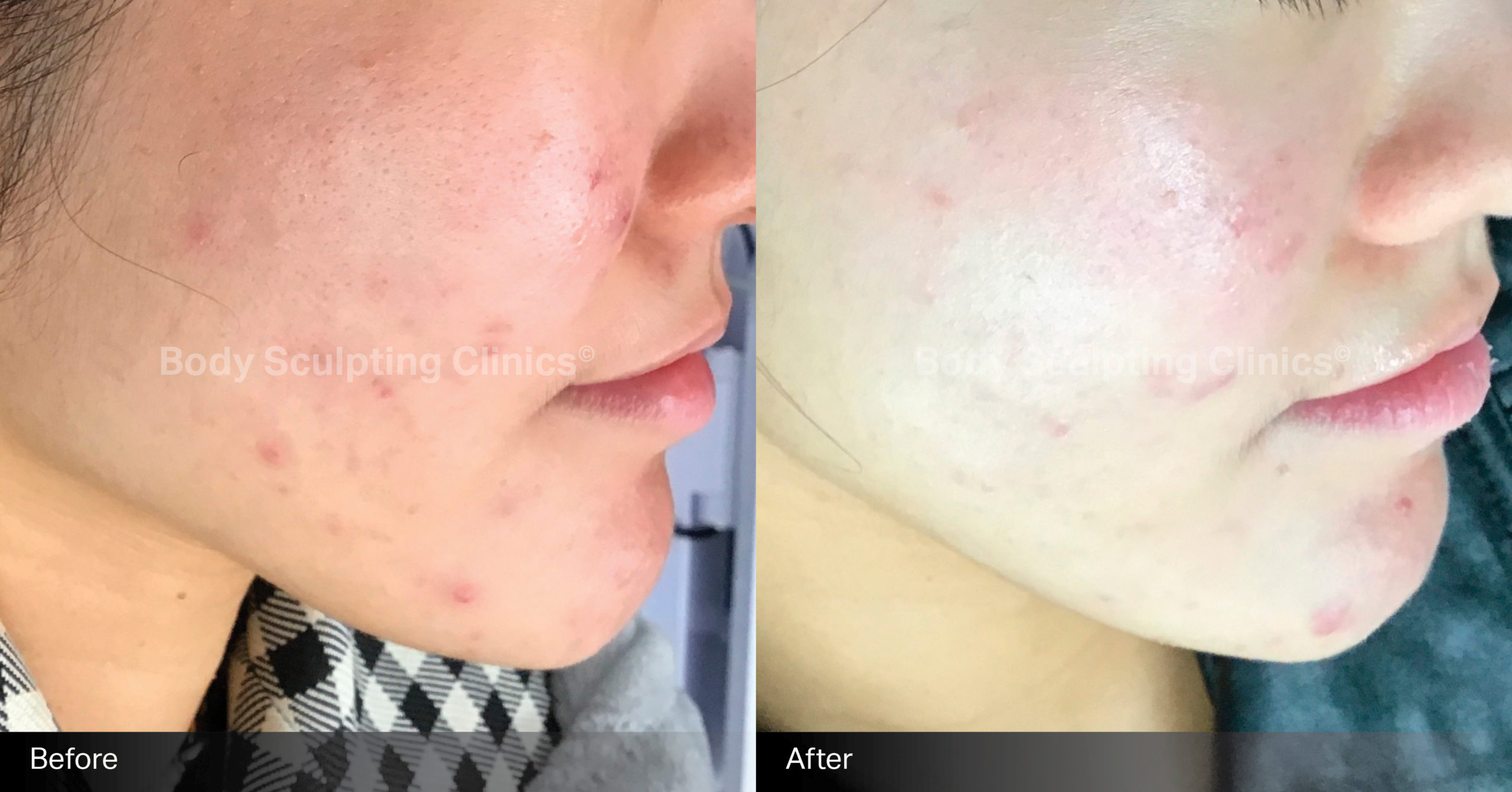
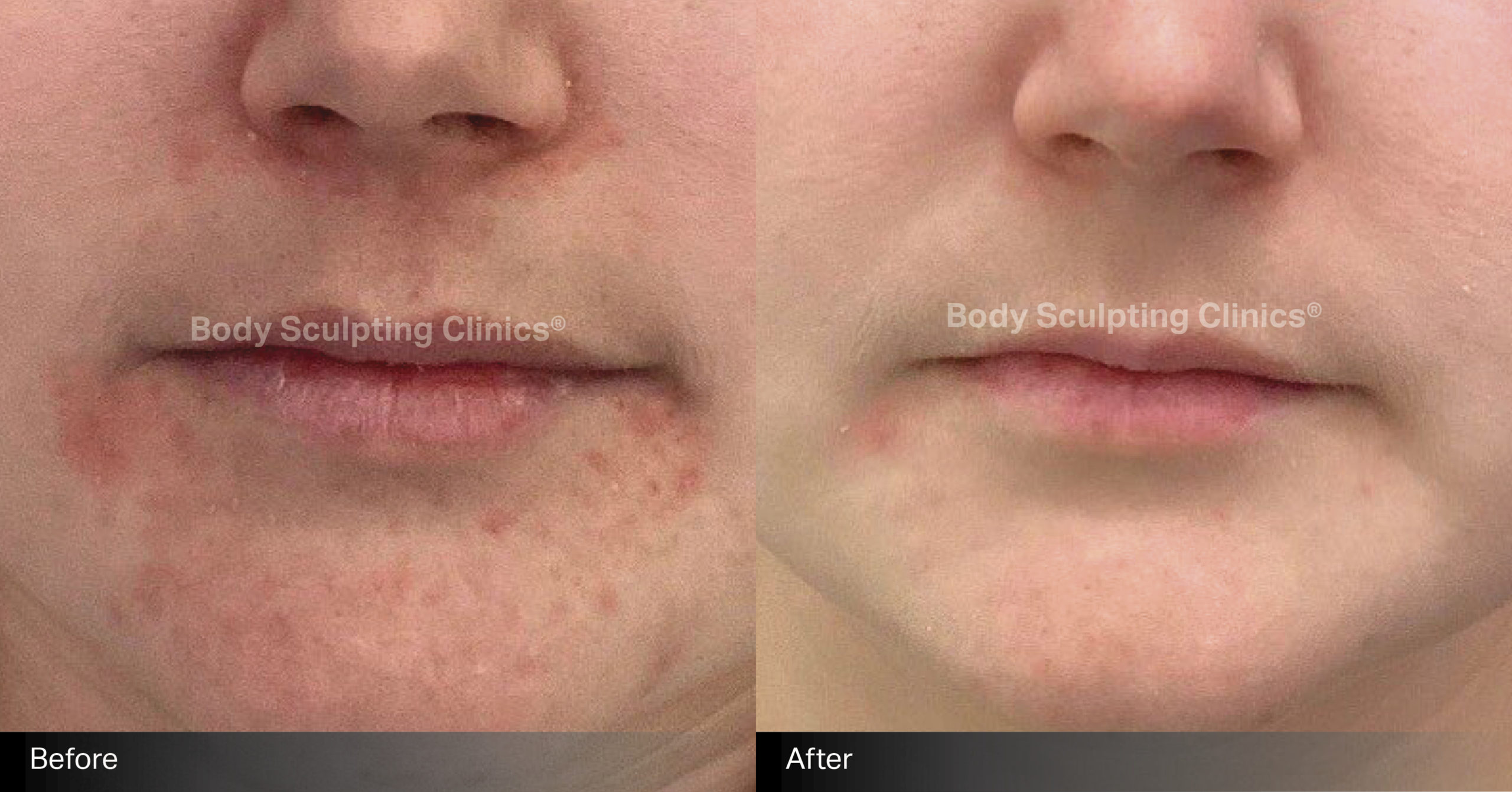
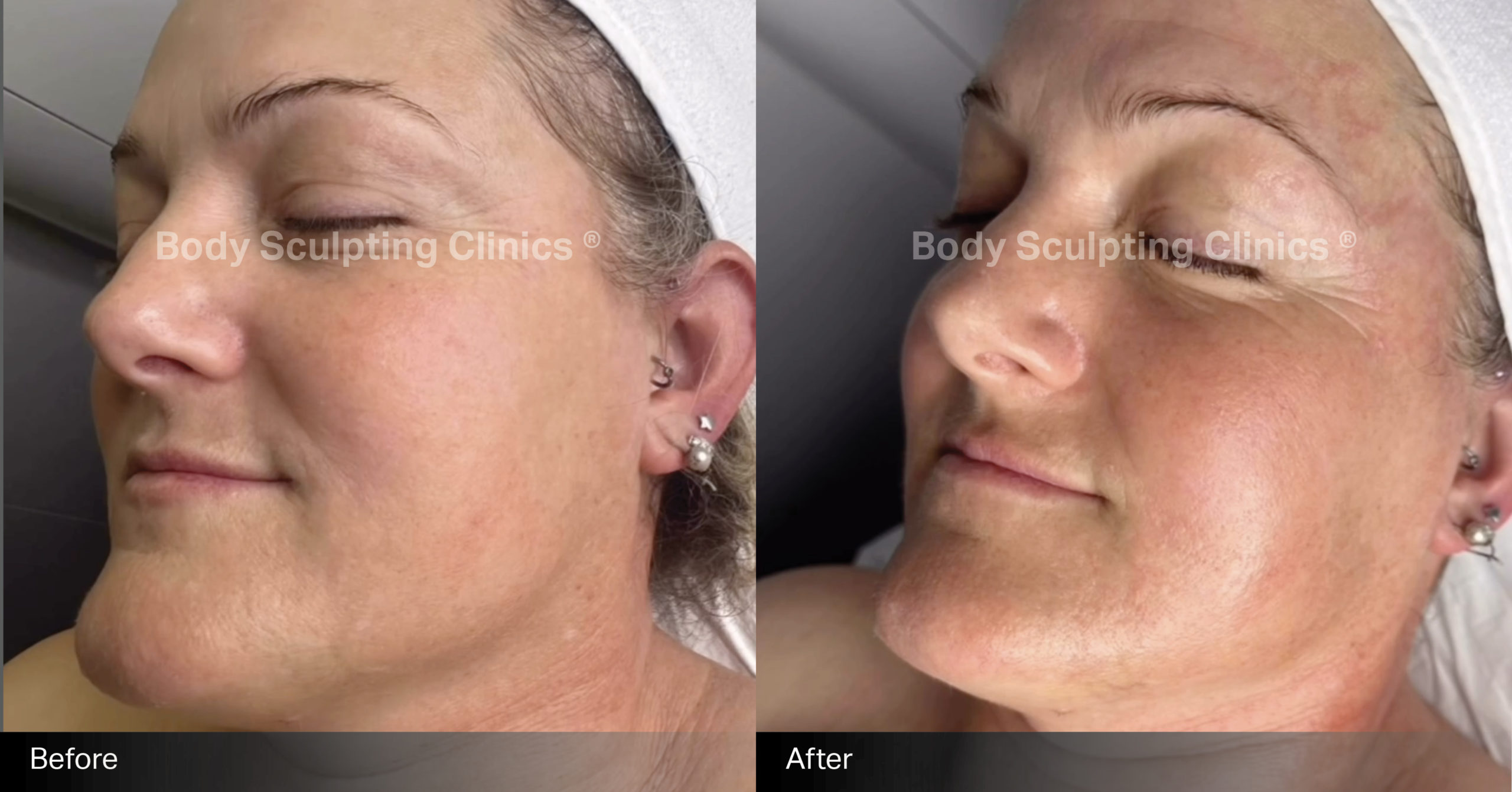
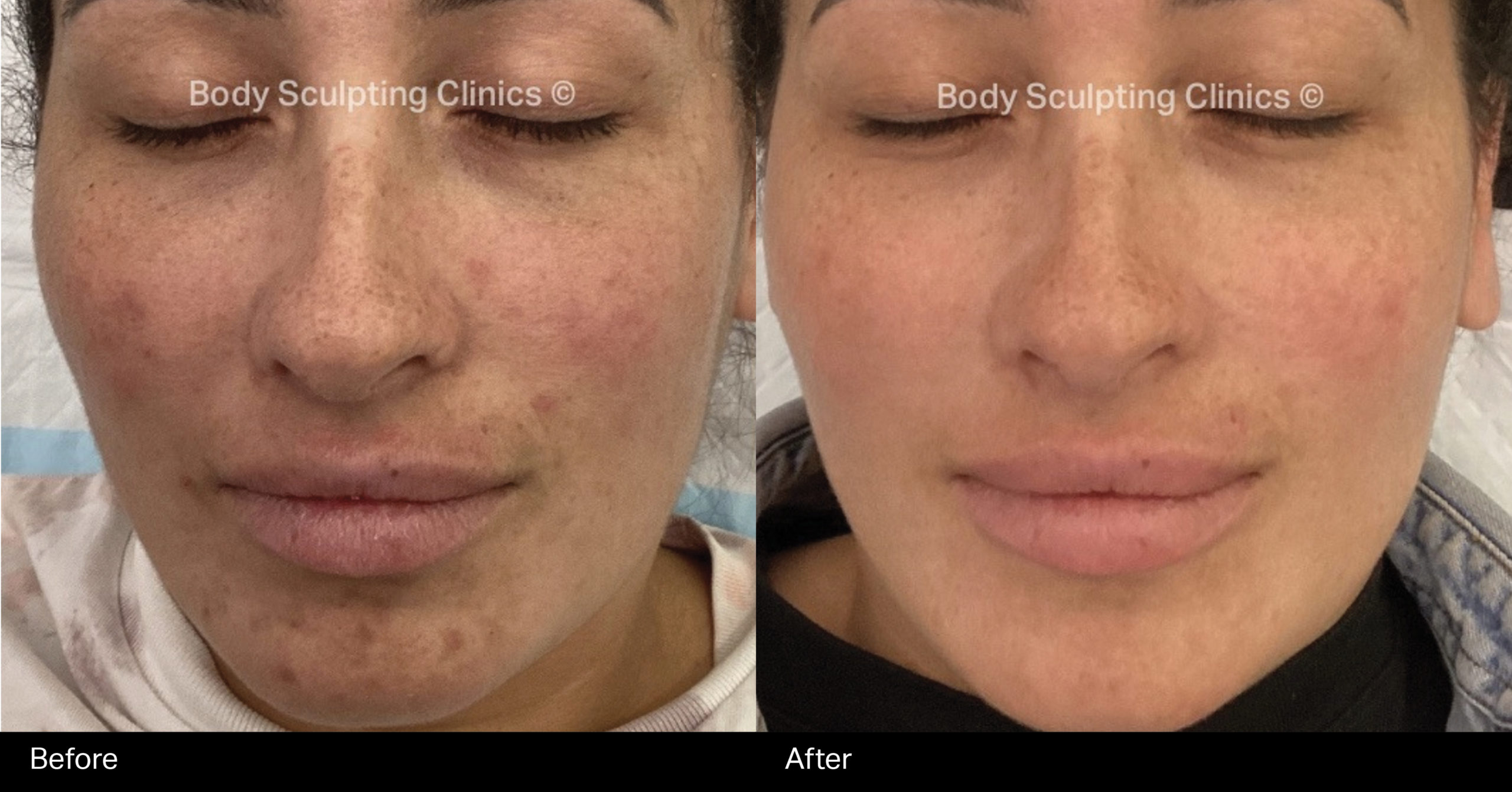
*Disclaimer: Results vary from patient to patient.
Shop The Treatment Edit
Why Choose Body Sculpting Clinics
Choosing the right LED wavelength starts with understanding your skin, not guesswork. At Body Sculpting Clinics, every treatment begins with a clinical consultation and assessment carried out by our qualified team, who will recommend the wavelength and combination appropriate to your skin.
Complimentary Consultation.
FAQs
What's the difference between yellow and blue LED light therapy?
Blue LED light is generally associated with supporting oily or blemish-prone skin, while yellow LED light is generally associated with supporting skin tone, radiance and sensitive or reactive skin. Both are gentle, non-invasive wavelengths with no downtime, and a professional assessment can help determine which is more suitable for your skin.
Is LED light therapy suitable for sensitive skin?
LED light therapy is generally considered a gentle option suitable for a range of skin types, including sensitive skin, though suitability should always be confirmed during a professional skin assessment, particularly if you have an active skin condition.
Can LED light therapy be combined with other treatments?
Yes, LED light therapy is often layered alongside treatments such as microneedling, dermal peels or RF rejuvenation as part of a broader skin management plan. Your clinician can advise on appropriate combinations and sequencing during your consultation.
How often should I have LED light therapy?
The recommended frequency depends on your skin concern and overall management plan, and will be discussed during your consultation and assessment rather than following a fixed schedule for everyone.