
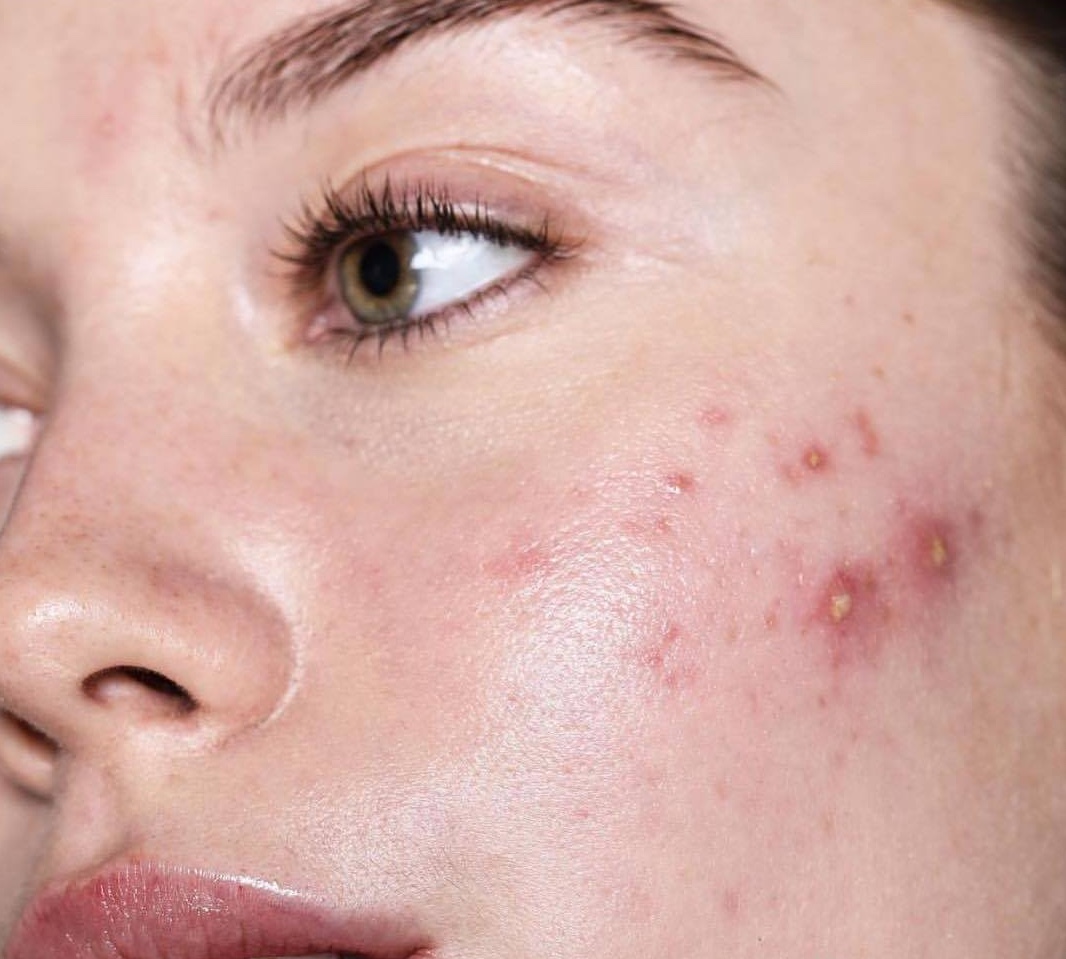
Noticing breakouts on only one side of your face can be confusing — especially if the other side is relatively clear.
If you’ve been wondering “why do I have acne on one side of my face?”, you’re not alone.
Unlike general acne, one-sided breakouts are often linked to external factors or habits, rather than just internal causes. Understanding the reason behind it is the first step toward clearer, more balanced skin.
What Is Acne and Why Does It Happen?
Acne occurs when hair follicles become clogged with oil, dead skin cells, and bacteria, leading to inflammation and breakouts.
Common triggers include:
- Excess oil production
- Hormonal changes
- Bacteria buildup
- Inflammation in the skin
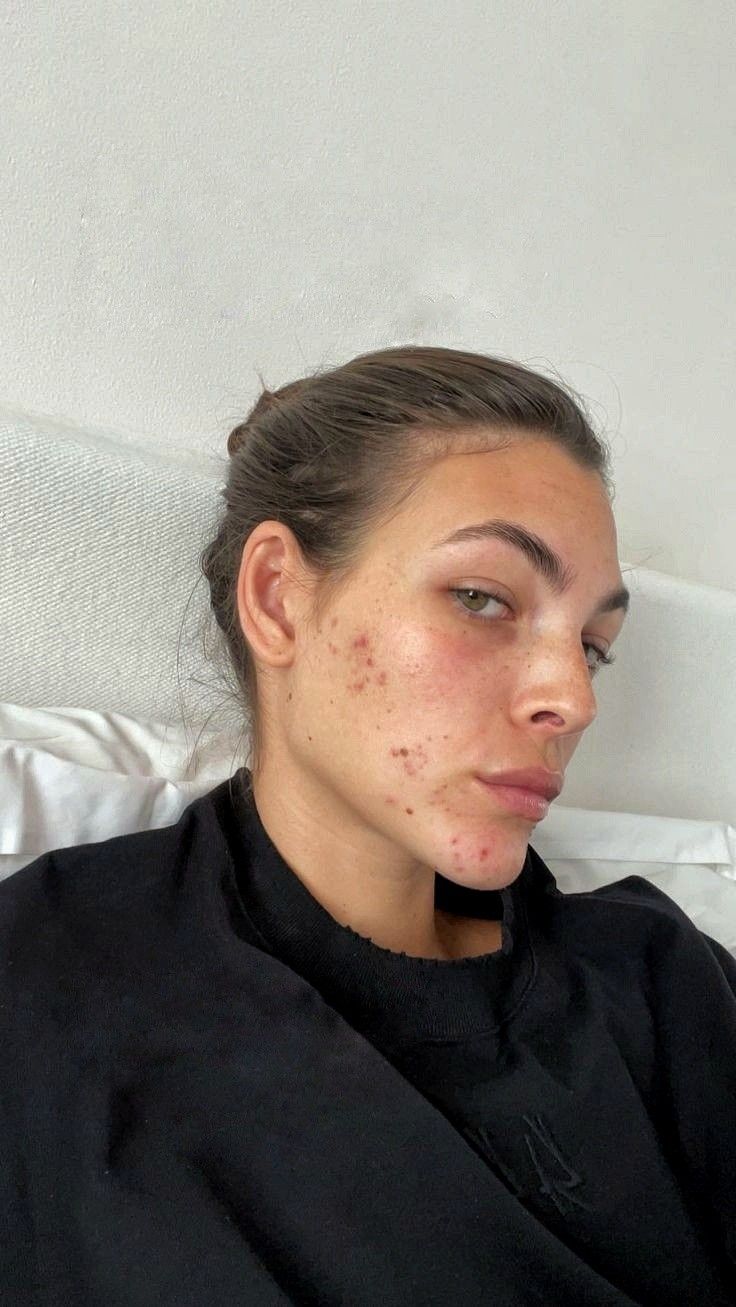
Why Am I Getting Breakouts on One Side of My Face?
1. Contact with Bacteria (Phone, Pillowcases)
Your phone and pillowcase can collect oil, dirt, and bacteria, which transfer onto your skin. Holding your phone to one side regularly can trigger breakouts and dirty pillowcases can cause acne on the side you sleep on.
2. Sleeping Position
Side sleepers may experience more breakouts on the side of the face pressed against the pillow.
Friction, heat, and trapped oil can clog pores — a condition sometimes referred to as acne mechanica.
3. Hair and Skincare Products
Hair oils, styling products, and heavy skincare products can transfer onto one side of the face, leading to clogged pores and irritation.
4. Touching Your Face
Resting your chin or cheek on your hand — even unconsciously — can transfer bacteria and trigger breakouts on that side.
5. Hormonal Fluctuations
Hormonal acne typically appears along the jawline and lower face. While it’s often symmetrical, it can sometimes appear more prominent on one side depending on skin sensitivity or habits.
Professional Treatments for One-Sided Acne
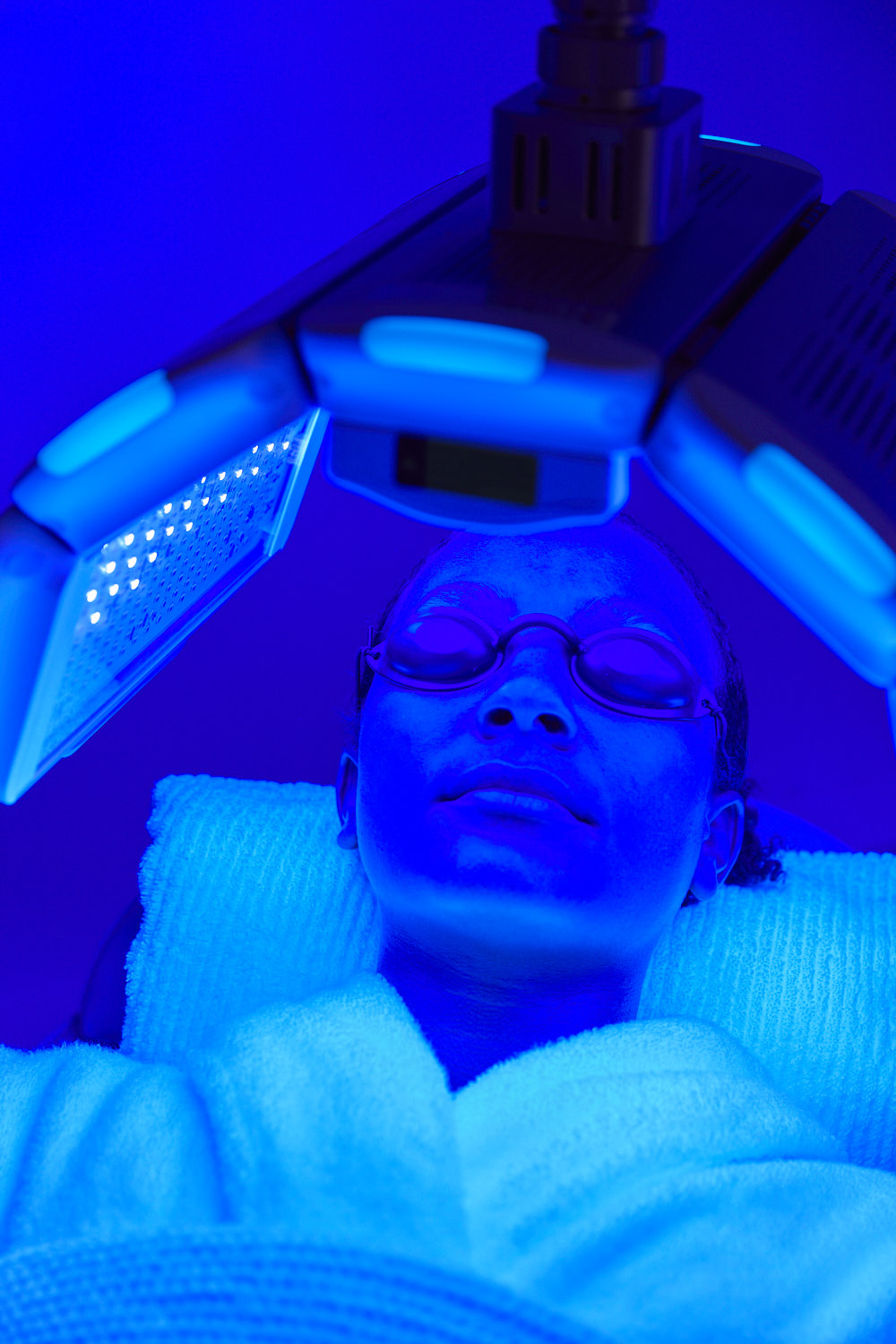
LED Light Therapy
LED therapy uses specific wavelengths of light to help reduce acne-causing bacteria and calm inflammation.
It can help:
- Reduce active breakouts
- Soothe redness
- Support skin healing
Dermal Peels
Dermal peels exfoliate the skin, removing dead skin cells that clog pores and contribute to acne.
Benefits include:
- Clearer pores
- Improved skin texture
- Reduced breakouts over time
DMK Enzyme Therapy
DMK treatments focus on restoring the skin’s natural function and balance.
They work to:
- Detoxify the skin
- Improve circulation
- Support overall skin health
This can be particularly beneficial for recurring or stubborn acne.

How to Treat Sudden Face Breakouts (At-Home Tips)
If you’re dealing with a sudden flare-up, the key is to reduce inflammation and prevent further clogging.
- Clean your phone regularly
- Change pillowcases frequently
- Avoid touching your face
- Use non-comedogenic skincare products
- Maintain a consistent skincare routine
These steps can help reduce triggers, but persistent or recurring breakouts may require professional support.
Shop The Treatment Edit
Why Choose Body Sculpting Clinics?
Professional acne treatments target deeper layers of the skin compared to topical products.
By reducing bacteria, unclogging pores, and improving skin function, they can help manage both active acne and future breakouts.
Results vary depending on skin type and severity, and multiple sessions may be recommended.
At Body Sculpting Clinics, we take a personalised approach to acne treatment. Our team assesses your skin and lifestyle factors to recommend suitable treatments such as LED therapy, chemical peels, and DMK treatments.
We focus on non-surgical, evidence-based solutions designed to support clearer, healthier-looking skin.
Complimentary Consultation.
FAQs
Why do I have breakouts on one side of my face?
Breakouts on one side of the face are often caused by external factors such as phone use, pillowcases, or touching your face. These habits can transfer bacteria and oil to one side, leading to localised acne.
Is acne on one side of the face hormonal?
Hormonal acne can contribute to breakouts, especially around the jawline. However, one-sided acne is more commonly linked to external triggers rather than hormones alone.
How do you treat sudden face breakouts?
Sudden breakouts can be managed by maintaining good hygiene, avoiding pore-clogging products, and reducing inflammation. Professional treatments such as LED therapy, dermal peels, and DMK can help improve persistent acne.
Can sleeping on one side cause acne?
Yes, sleeping on one side can contribute to breakouts due to friction, heat, and bacteria buildup on pillowcases.
What is the best treatment for acne on one side of the face?
The best treatment depends on the cause. LED therapy helps reduce bacteria, chemical peels unclog pores, and DMK treatments support overall skin health. A personalised consultation is recommended.