
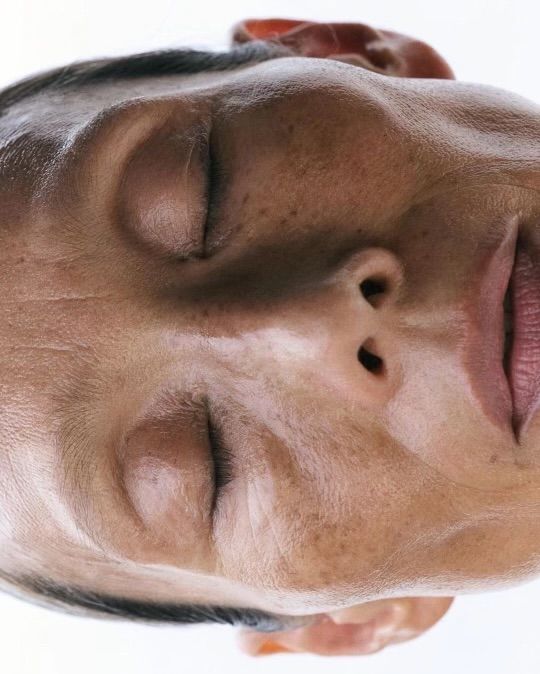
Pigmentation — including sun spots, post-acne marks, and uneven skin tone — is a common skin concern that often won’t fade on its own.
Professional cosmetic-grade dermal peels are a powerful way to address these concerns by encouraging cell turnover and resurfacing the skin.
At Body Sculpting Clinics, we offer tailored peel treatments that help improve pigmentation and enhance skin clarity, including mandelic peels, Jessner peels, and lactic peels — each suited to different skin types and concerns.
What Is a Dermal Peel?
A dermal peel is a clinical exfoliating treatment where a solution containing active acids is applied to the skin to break down dead cells and stimulate new cell growth. This process can improve skin texture, tone, and pigmentation.
Unlike over-the-counter exfoliants, cosmetic-grade peels penetrate deeper and are performed by trained clinicians to safely target pigmentation.

Why Choose Professional Peels for Pigmentation?
dermal peels are one of the most effective in-clinic options for pigmentation because they:
- Encourage cellular turnover to fade dark spots
- Help even out skin tone and texture
- Support skin renewal beyond surface exfoliation
- Can be customised based on skin type and pigmentation severity
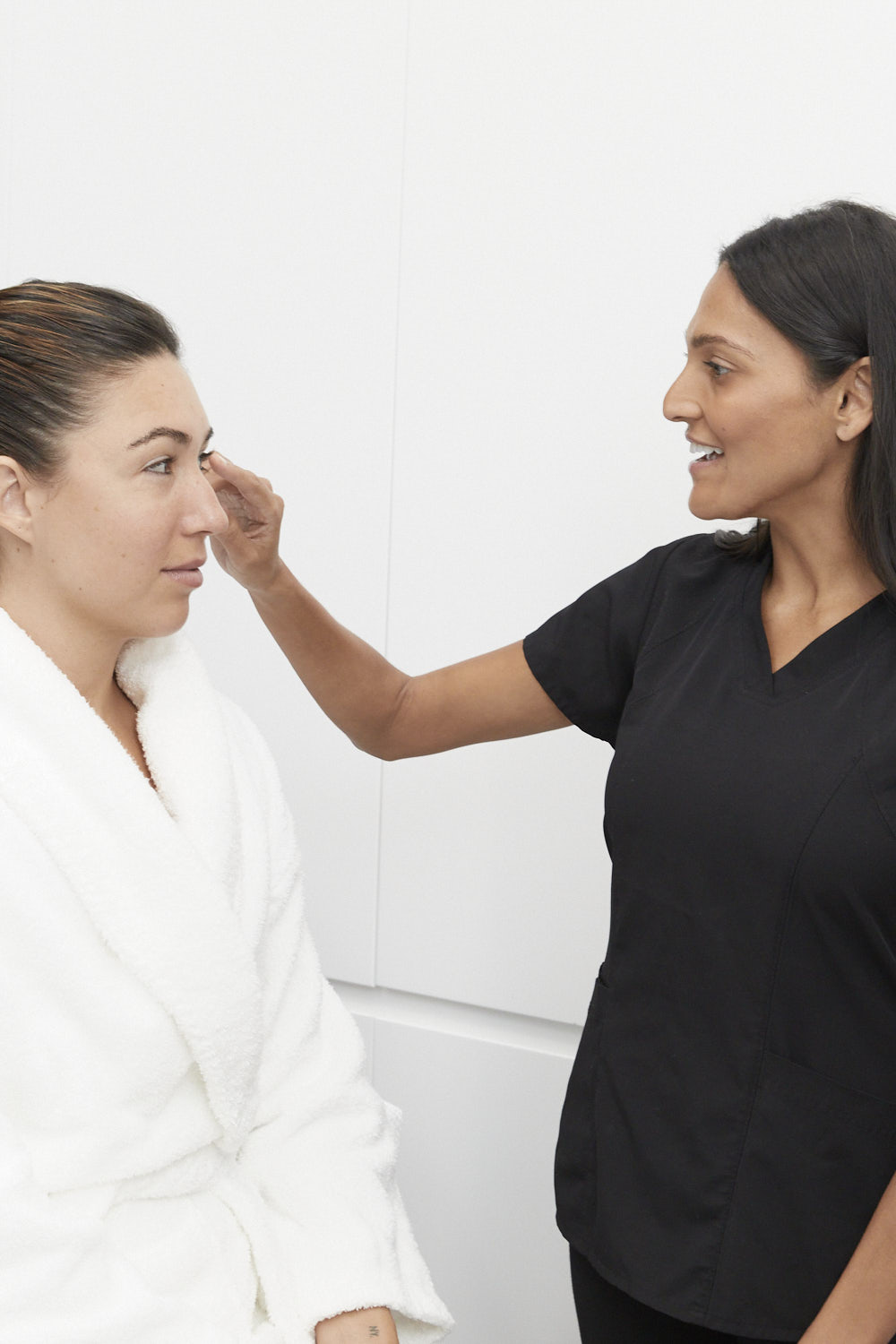
Your clinician will assess your skin and recommend the most appropriate peel for your goals.
Best Cosmetic-Grade Dermal Peels
Mandelic Peel
The mandelic peel uses mandelic acid — an AHA derived from bitter almonds — known for its gentle yet effective exfoliation. Its larger molecule size makes it suitable for sensitive skin or pigmentation that needs gradual correction.
Benefits:
- Gentle exfoliation
- Helps reduce sun spots and uneven tone
- Suitable for sensitive skin
Jessner Peel
The Jessner peel combines salicylic acid, lactic acid, and resorcinol to deliver a more intensive resurfacing effect. It’s ideal for more stubborn pigmentation and textured skin.
Benefits:
- Deeper exfoliation
- Can address pigmentation and congestion
- Good for dull or uneven skin
Lactic Peel
Lactic acid is a gentle AHA that hydrates while it exfoliates. It’s great for pigmentation with dryness or sensitivity and helps promote a smoother, brighter complexion.
Benefits:
- Hydrating exfoliation
- Improves skin tone and texture
- Excellent for dry or sensitive skin
What to Expect During Treatment
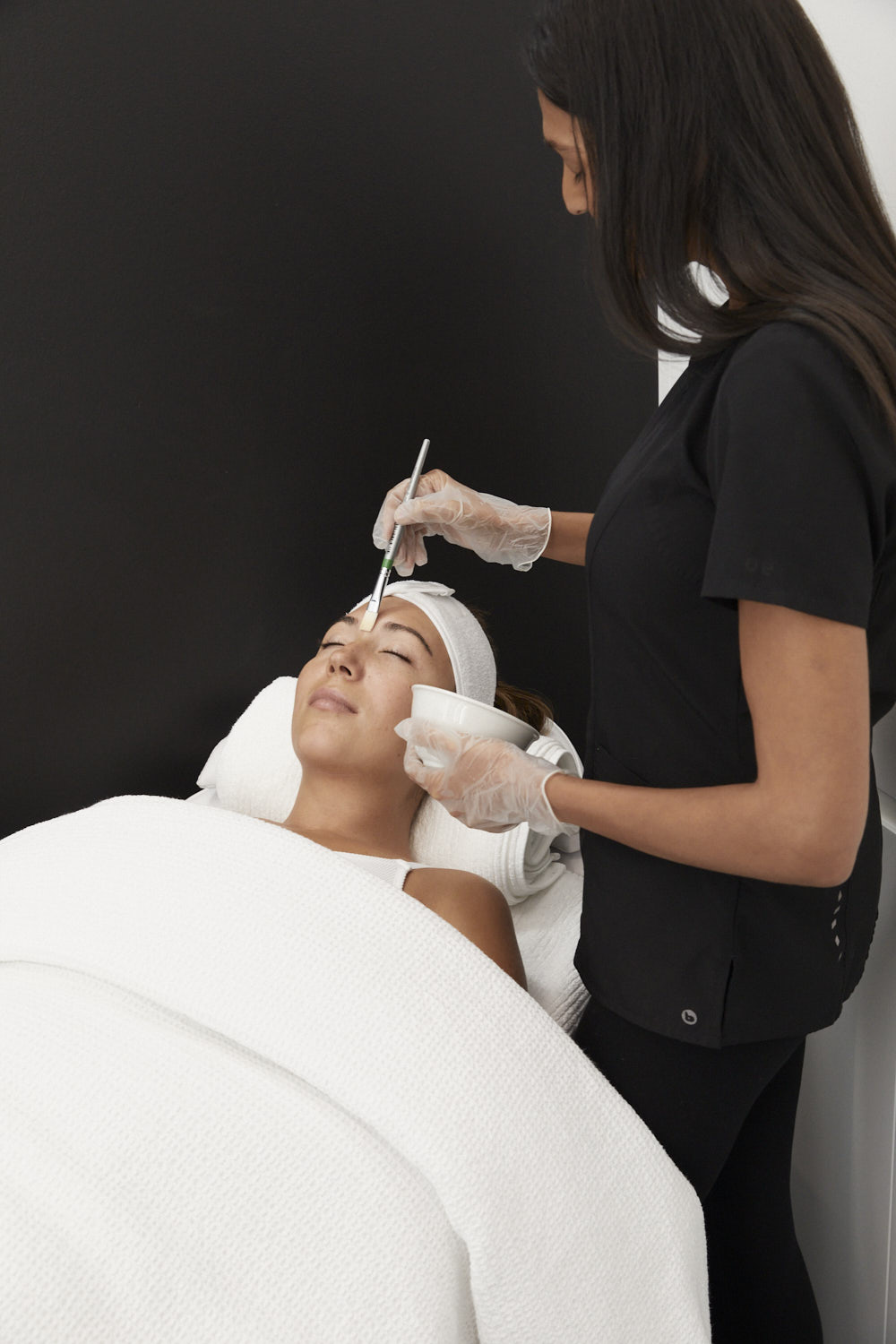
During a peel session, your clinician applies the selected solution to your skin and monitors your comfort and response. Some peels may cause mild redness or flaking in the days after treatment — this is part of the renewal process as old cells shed and fresh skin emerges.
Most patients benefit from a series of treatments spaced several weeks apart for optimal results.
Aftercare and Sun Protection
After a dermal peel, your skin is more sensitive to UV exposure. It’s essential to use broad-spectrum sunscreen daily and avoid excessive sun exposure to protect results and prevent new pigmentation from forming.
Shop The Treatment Edit
Why Choose Body Sculpting Clinics?
Cosmetic-grade dermal peels are a versatile option for many skin types and pigmentation concerns. A personalised consultation with one of our clinicians will help determine which peel — mandelic, Jessner, or lactic — is best suited to your skin goals.
Complimentary Consultation.
FAQs
What is the best dermal peel for pigmentation?
The best peel depends on your skin type and pigmentation severity. Mandelic peels are gentler, Jessner peels offer deeper resurfacing, and lactic peels provide hydrating exfoliation.
Do dermal peels remove sun spots?
Yes — by promoting cell turnover and exfoliation, peels can help fade sun spots and uneven pigmentation over a series of treatments.
How many treatments are needed?
Most people benefit from multiple sessions spaced weeks apart, but this varies based on the peel type and skin response.
Is there downtime after a peel?
Some peels cause mild flaking or redness. Your clinician will recommend aftercare and sun protection to support healing.